UNESCO
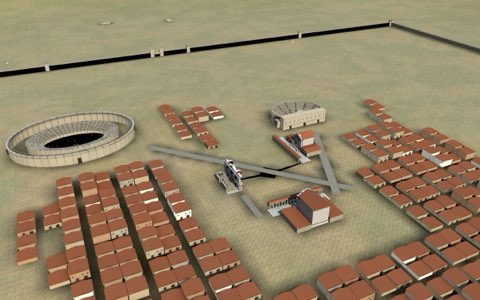
Pompeii
Campania
The Roman city buried by Vesuvius in AD 79 and preserved in the ash: forum, two theatres, amphitheatre and frescoed houses.
From the early 1st millennium BCE, Aeolian, Ionian and Dorian Greeks founded cities along the Aegean coast, followed by colonies on the shores of the Marmara and the Black Sea. In the Hellenistic age that began with Alexander's campaign in 334 BCE, Anatolia was divided among successor kingdoms such as the Seleucids and the Attalids of Pergamon, and Greek language, theatre and the gymnasium spread inland. King Attalus III of Pergamon bequeathed his kingdom to Rome in 133 BCE.
Campania
The Roman city buried by Vesuvius in AD 79 and preserved in the ash: forum, two theatres, amphitheatre and frescoed houses.
Alexandria
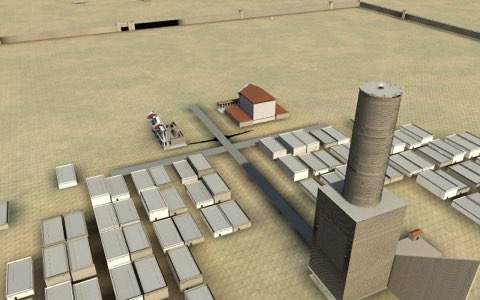
The Hellenistic metropolis founded by Alexander: the Pharos lighthouse (one of the Seven Wonders), Serapeum and colonnades.
Homs
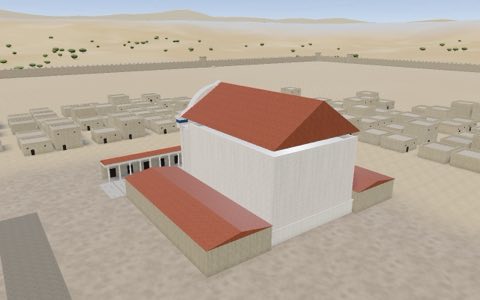
In a Syrian desert oasis: the Great Colonnade of about 1.1 kilometres, the Temple of Bel, the Monumental Arch and the capital of Queen Zenobia.
Attica
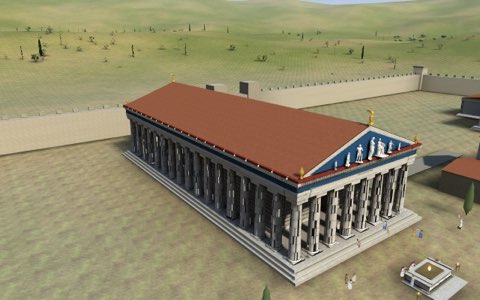
A universal symbol of classical Greek civilisation: the Parthenon of Pericles' age, the Erechtheion with its Caryatid porch, and the Propylaea gateway.

İzmir
A royal capital on a steep acropolis, home to the steepest theatre of the ancient world.

Denizli
A spa and necropolis city built above the travertines of Pamukkale.

Çanakkale
The legendary mound of nine superimposed cities behind Homer's Iliad.
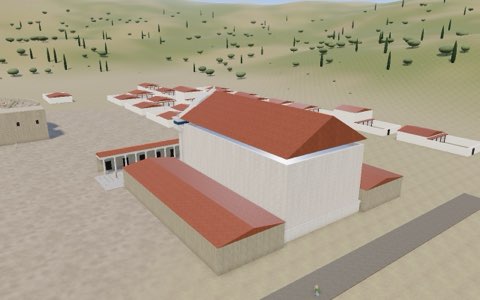
Phocis
The oracle of Apollo on Mount Parnassus: Temple of Apollo, Sacred Way, theatre, stadium and the circular Tholos.
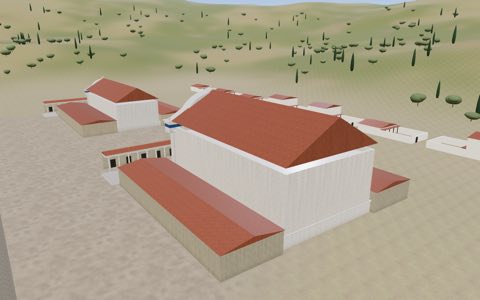
Elis
The sanctuary of the ancient Olympic Games: the Temple of Zeus, Hera's temple and the ancient running stadium.
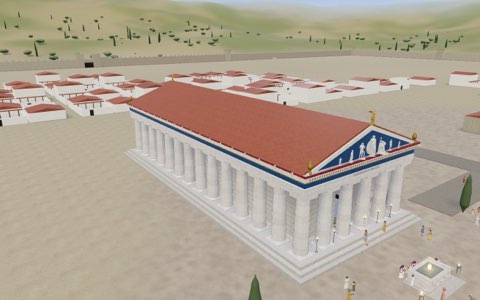
Salerno
A Magna Graecia city famed for three Doric temples: the two temples of Hera and the Temple of Athena, plus a Roman forum and amphitheatre.
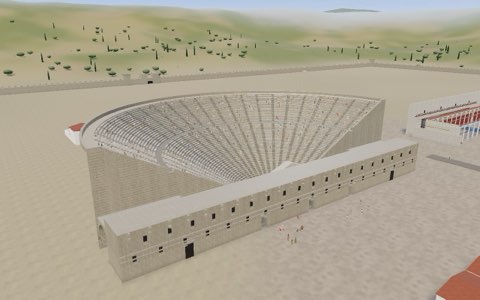
Argolis
The healing sanctuary of Asclepius: the ancient theatre of about 14,000 seats, famed for its acoustics, the circular Tholos and the stadium.
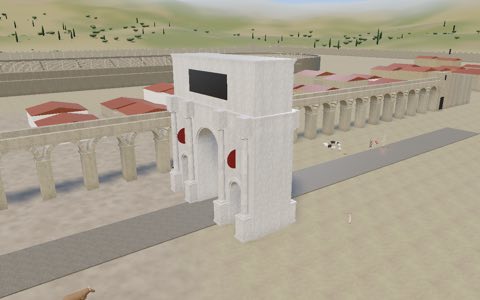
South Lebanon
The Phoenician city famed for its purple dye: a Roman hippodrome, a triple-bay triumphal arch and an aqueduct.
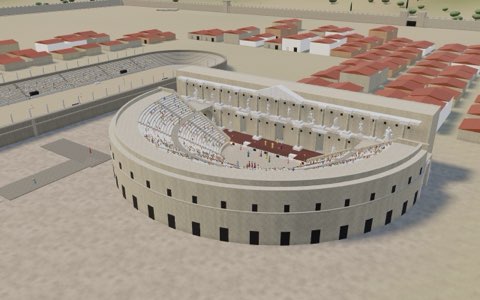
Plovdiv
The ancient Roman city in Plovdiv: the marble theatre of the Trajanic period, a Roman stadium seating about 30,000, and the Forum with its Odeon.
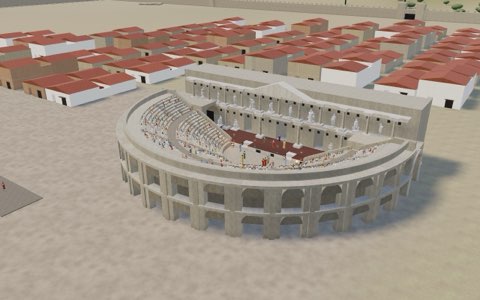
Limassol
The clifftop city-kingdom overlooking Episkopi Bay: spectacular Greco-Roman theatre, mosaic baths of Eustolios and Apollo Hylates sanctuary.
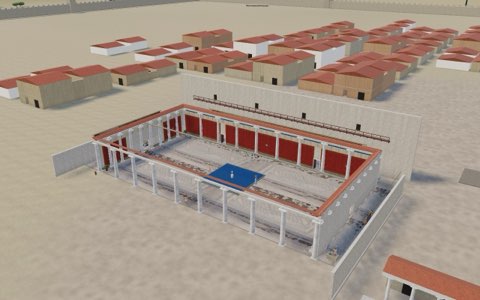
Famagusta
An ancient city-kingdom and Roman city on Cyprus's east coast: a marble-columned Gymnasium, a theatre seating up to 15,000, and Roman baths.

İzmir
Forerunner of İzmir, famed for the Roman agora at the foot of Kadifekale.

Antalya
Pamphylia's grandest Roman city, with a colonnaded street and central water channel.

Antalya
An ancient city woven into a modern town, famed for its Apollo temple on the point.

Gaziantep
The Euphrates city of villa mosaics, home of the 'Gypsy Girl'.
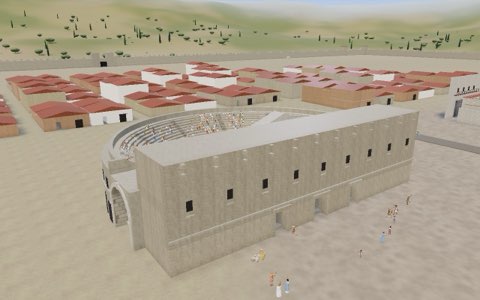
Irbid
Gadara, a Decapolis city on a ridge overlooking the Sea of Galilee (Tiberias): the basalt Western Theatre, a colonnaded decumanus and a Byzantine octagonal church.
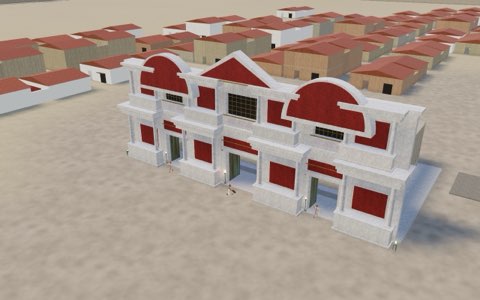
Vardar
The capital of Macedonia Salutaris at the confluence of the Erigon (Crna) and Axios (Vardar): a theatre for about 7,600 by archaeologists' calculations, the mosaic-adorned Episcopal Basilica and the Via Sacra.
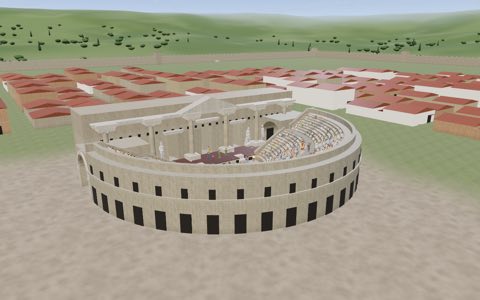
Pelagonia
A city founded by Philip II in the 4th century BC on the Via Egnatia: a Roman theatre, early Christian basilicas and their mosaics.

Aydın
The oracle sanctuary of Apollo, one of the largest temples in Anatolia.

Muğla
The Carian capital where the Mausoleum, one of the Seven Wonders, once stood.

Çanakkale
A temple of Athena above the Aegean, and the city where Aristotle taught.

Bursa
A lakeside city with 5 km of standing walls, host of the church councils.

İzmir
The finds from the acropolis, the Asklepion and the Red Basilica, including the pieces of the Great Altar that never went to Berlin.

Aydın
A compact Ionian city on Mount Mycale whose grid plan survives intact.

Denizli
A wealthy trading city of the Lycus valley with two theatres and broad avenues.

Muğla
A city of science and art with two harbours at the tip of the Datça peninsula.

Çanakkale
Founded by Antigonus, one of Alexander's generals, it was one of the largest ancient cities of Anatolia.

Sinop
The oldest Greek colony on the Black Sea; birthplace of Diogenes and namesake of the pigment sinopia.

İstanbul
The bronze column the thirty-one Greek cities that beat Persia at Plataea cast from captured weapons and dedicated at Delphi, brought to the Hippodrome in the fourth century AD.

Aydın
A city near Sultanhisar, known for its tunnel-lined street and grand library.

Manisa
The ancient city at Akhisar, home to one of the Seven Churches of Revelation.

Balıkesir
A great Marmara city on the Kapıdağ peninsula, remembered for its Hadrian temple.

Çanakkale
A Greek harbour city on the Troad coast of the Sea of Marmara, famed for its odeon and its coinage.

Bartın
A harbour city on a peninsula between two bays, its walls still in daily use.

Samsun
Forerunner of Samsun, a Black Sea port city with tumuli and underground tombs.

Antalya
One of the oldest known human dwellings in Anatolia: a great karst cave used without a break from the Palaeolithic to the classical age.

Çanakkale
The temple of Apollo Smintheus, centre of the cult named in the opening pages of the Iliad, its frieze carved with scenes from the epic itself.

Antalya
On a flat-topped hill over the plain, one of the few Anatolian cities Alexander failed to take; the only substantial inscription in the Pamphylian dialect was found here.

İzmir
On a slope above the Torbalı plain, known for its council house, its theatre and a bath-gymnasium built to serve two thousand people.

Muğla
On the shore of Lake Bafa among the boulders of the Beşparmak range, its Hellenistic walls running six kilometres around the slope.

Aydın
The city where the Carian queen Ada adopted Alexander; its three-storey market building is among the best preserved commercial structures of antiquity.

Antalya
A Pisidian city eleven hundred metres up above the Köprülü canyon, its theatre for ten thousand still standing in the middle of a village.

Muğla
The only major temple to Hecate known in the ancient world, reached by a sacred way from Stratonikeia along which the yearly procession of the key was carried.

Çanakkale
An ancient city on the eastern shore of the Dardanelles, famous for its mint and the cult of Priapus.

Balıkesir
A Troad city on Kaletaşı hill above Altınoluk, known for its mosaic villas and tomb necropolis.

Zonguldak
A Bithynian coastal city founded by Megarians, where the legend of Heracles is set.

Mersin
The sacred centre of the priest-kings of Olba, the city is famous for the standing columns of the Temple of Zeus Olbios.

Uşak
Built on a promontory ringed on three sides by deep gorges, its walls, temple and rock tombs still largely standing.

Aydın
A Carian city enriched by its marble quarries, with its temple of Apollo, bouleuterion and a two-hundred-metre agora building still standing.

Muğla
A harbour town on a peninsula, famed for its fishing and for the blue-and-white veined marble that Rome sold as cipollino.

Zonguldak
A port city at Filyos whose name has survived unchanged since antiquity.