
UNESCO
Ephesus
İzmir
One of the best-preserved Roman cities of antiquity, famed for the Library of Celsus.
Move the slider: which civilizations were in Anatolia in the year you pick, and which of their places can you visit today?
İzmir
One of the best-preserved Roman cities of antiquity, famed for the Library of Celsus.
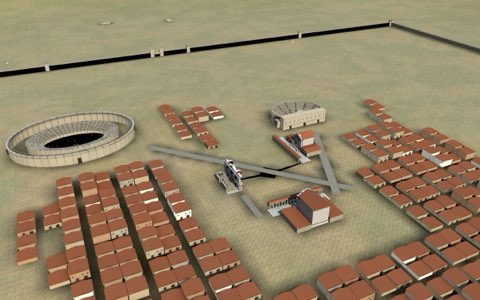
Campania
The Roman city buried by Vesuvius in AD 79 and preserved in the ash: forum, two theatres, amphitheatre and frescoed houses.

Giza
The funerary complex of the Fourth Dynasty pharaohs of the Old Kingdom: the Great Pyramid of Khufu, the pyramids of Khafre and Menkaure, and the Great Sphinx.
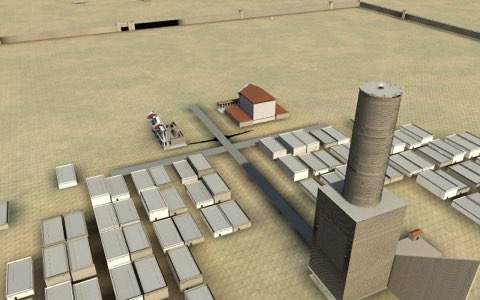
Alexandria
The Hellenistic metropolis founded by Alexander: the Pharos lighthouse (one of the Seven Wonders), Serapeum and colonnades.
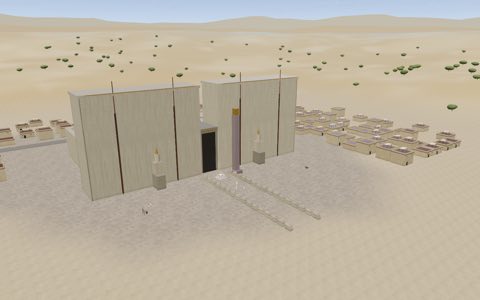
Luxor
The largest religious complex of ancient Egypt: Temple of Amun-Ra, Great Hypostyle Hall of 134 columns, pylons and obelisks.
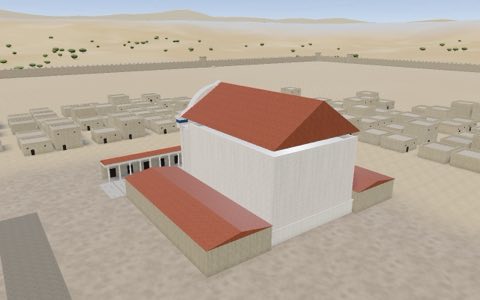
Homs
In a Syrian desert oasis: the Great Colonnade of about 1.1 kilometres, the Temple of Bel, the Monumental Arch and the capital of Queen Zenobia.
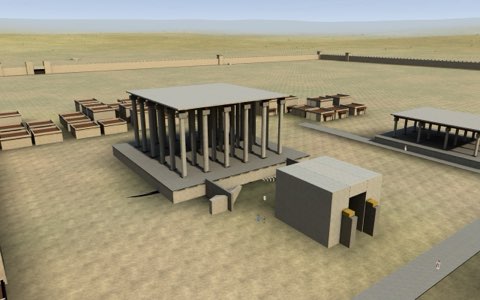
Fars
The ceremonial capital of the Achaemenid Persian Empire: Gate of All Nations, the 72-column Apadana palace, the Hall of a Hundred Columns and reliefs of delegations bringing tribute.
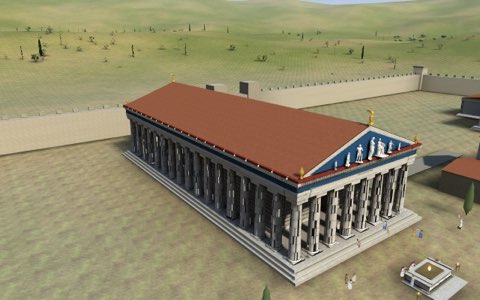
Attica
A universal symbol of classical Greek civilisation: the Parthenon of Pericles' age, the Erechtheion with its Caryatid porch, and the Propylaea gateway.
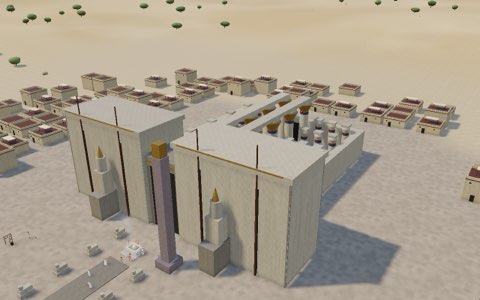
Luxor
The temple of Amun on the Nile: the pylon and seated colossi of Ramesses II, the grand colonnade of Amenhotep III and the avenue of sphinxes leading to Karnak.

İzmir
A royal capital on a steep acropolis, home to the steepest theatre of the ancient world.

Aydın
A Roman city beside its own marble quarries, famous for its school of sculpture.

Denizli
A spa and necropolis city built above the travertines of Pamukkale.
Periods are approximate, and a place is shown for the whole span of the civilizations it is tagged with; that does not always mean it was in use that very year.