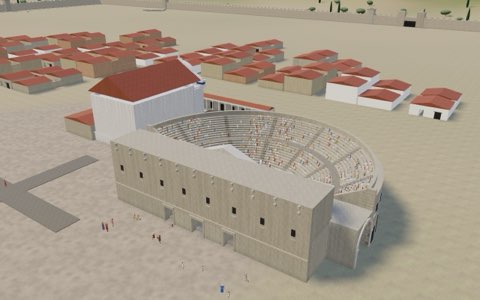
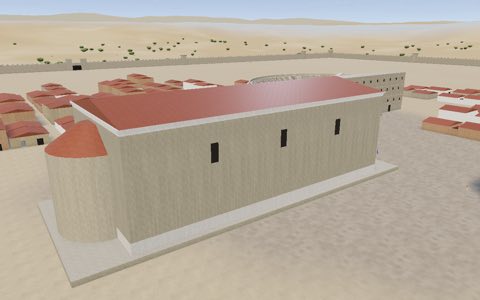
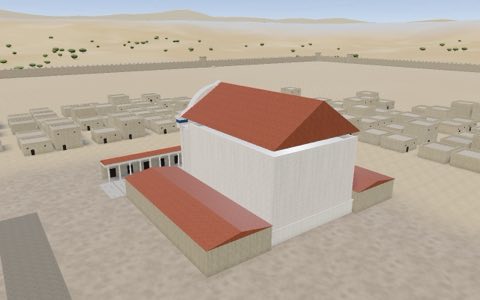
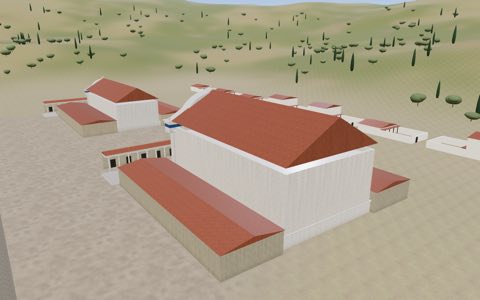
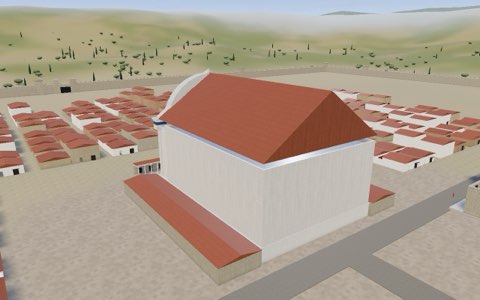
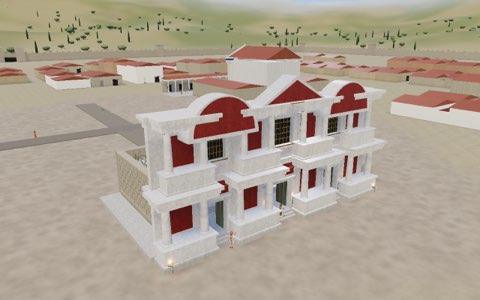
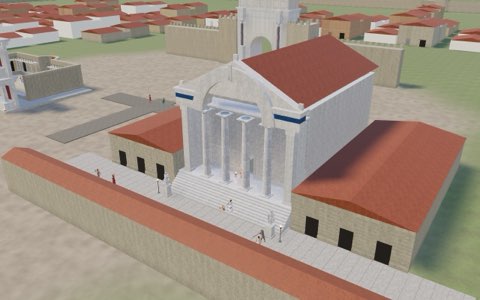
UNESCOEphesusİzmirOne of the best-preserved Roman cities of antiquity, famed for the Library of Celsus.
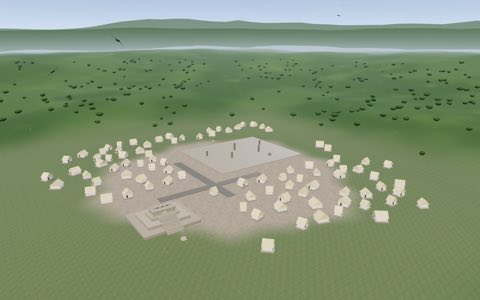
UNESCOGöbekli TepeŞanlıurfaThe world's oldest known temple complex — T-shaped pillars that rewrote history.
UNESCOHagia SophiaİstanbulThe domed basilica Justinian raised in five years, and for a thousand years the largest enclosed space in the world.
UNESCOTopkapı PalaceİstanbulA palace built as a compound rather than a building, growing around four courtyards, from which the Ottomans ruled for four centuries.
UNESCOFreeSultan Ahmed MosqueİstanbulKnown for its six minarets and the twenty thousand İznik tiles lining its walls, the mosque was raised directly opposite Hagia Sophia, over the old Byzantine palace.
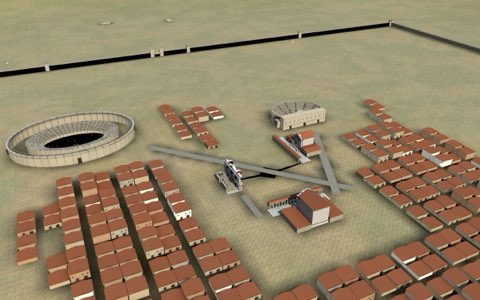
UNESCOPompeiiCampaniaThe Roman city buried by Vesuvius in AD 79 and preserved in the ash: forum, two theatres, amphitheatre and frescoed houses.
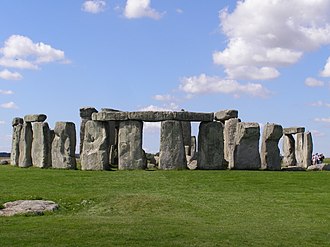
UNESCOStonehengeWiltshireOn Salisbury Plain, inside a chalk-cut ditched enclosure: a circle of great sarsens, five trilithons and bluestones brought from Wales, its axis set on midsummer sunrise and midwinter sunset.
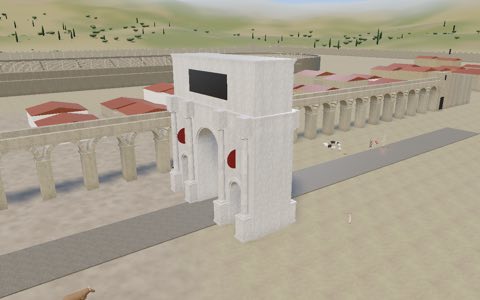
UNESCORome: Colosseum and Roman ForumLazioThe heart of ancient Rome: the Flavian Amphitheatre (the Colosseum) with its eighty entrances, the basilicas, temples and triumphal arches of the Roman Forum, the Basilica of Maxentius and the Arch of Constantine.
UNESCOPyramids of Giza and the Great SphinxGizaThe funerary complex of the Fourth Dynasty pharaohs of the Old Kingdom: the Great Pyramid of Khufu, the pyramids of Khafre and Menkaure, and the Great Sphinx.
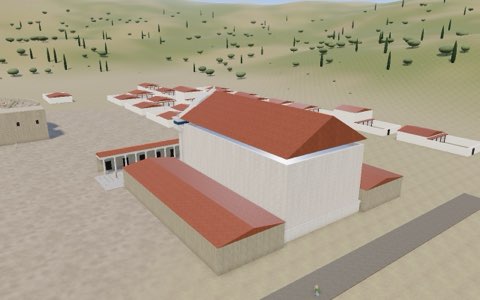
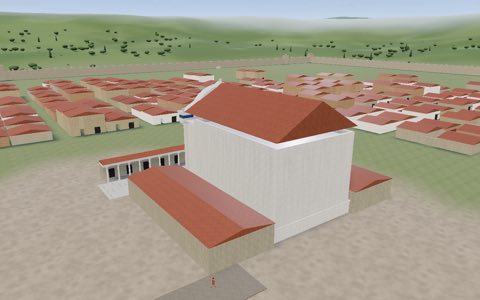
UNESCOThe Pantheon (Rome)LazioThe temple Hadrian dedicated about AD 126: a granite-columned porch and a concrete dome 43.3 metres across, open to the sky at its crown.
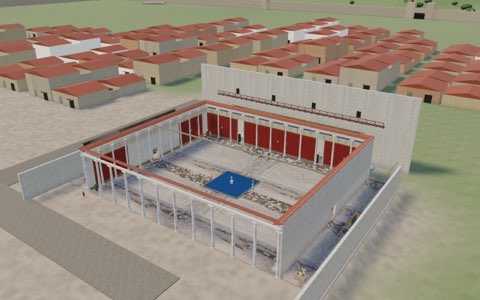
UNESCOTaj MahalUttar PradeshThe white marble tomb the Mughal emperor Shah Jahan built for his wife Mumtaz Mahal on the bank of the Yamuna at Agra; with its four minarets, red sandstone mosque, four-part garden and great gate, it was finished in 1653.
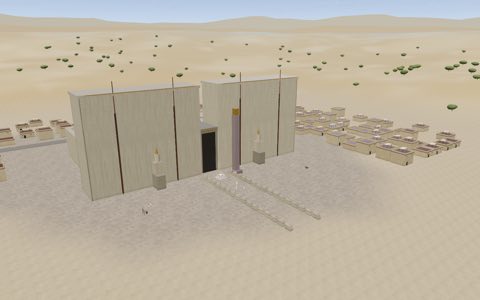
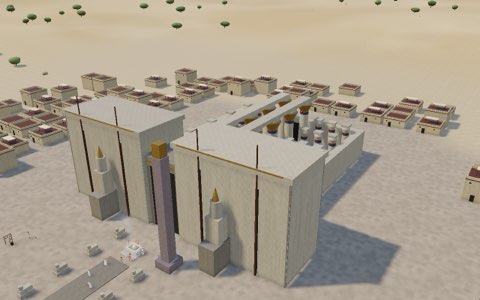
UNESCOKarnak (Thebes)LuxorThe largest religious complex of ancient Egypt: Temple of Amun-Ra, Great Hypostyle Hall of 134 columns, pylons and obelisks.
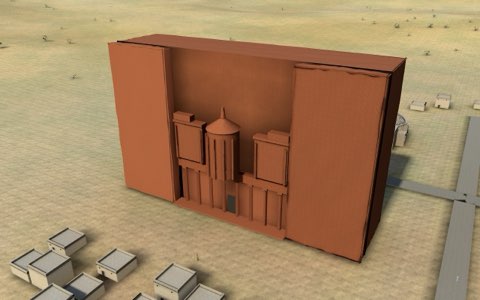
UNESCOPetraMa'anThe rose-red rock city of the Nabataean kingdom: Al-Khazneh (The Treasury), the rock-cut theatre and the colonnaded street.
UNESCOCarthageTunisPunic and Roman Carthage: Byrsa Hill, the circular military harbour (cothon) and the Antonine Baths.
UNESCOLeptis MagnaMurqubThe Roman city where Septimius Severus was born: his four-way arch, the Severan Basilica, the new forum and the theatre.
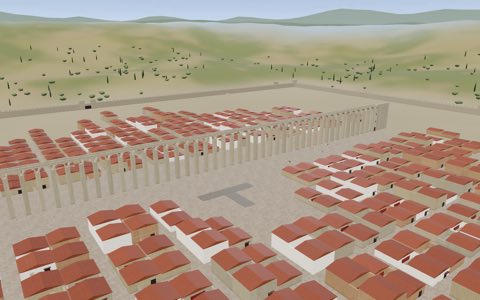
UNESCOPalmyra (Tadmur)HomsIn a Syrian desert oasis: the Great Colonnade of about 1.1 kilometres, the Temple of Bel, the Monumental Arch and the capital of Queen Zenobia.
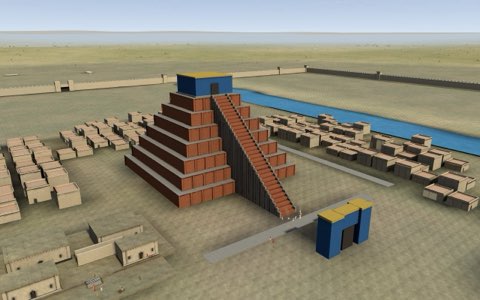
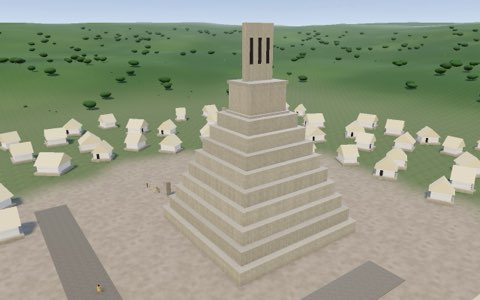
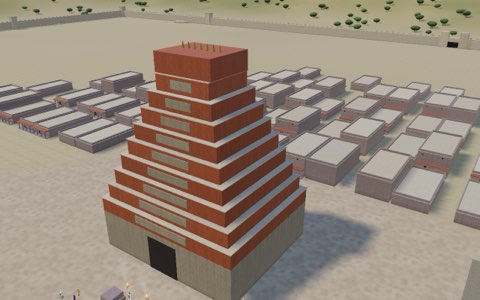
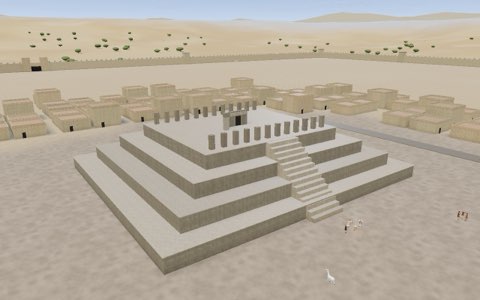
UNESCOBabylonBabilThe ancient capital in Mesopotamia: the blue glazed-brick Ishtar Gate, the Processional Way, the Etemenanki Ziggurat and the capital of Hammurabi.
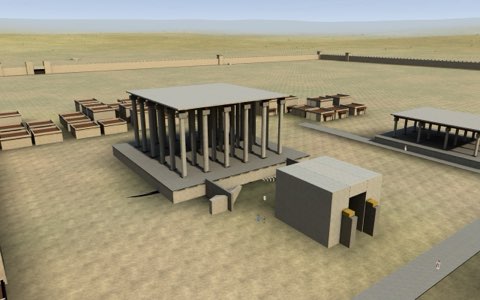
UNESCOPersepolis (Takht-e Jamshid)FarsThe ceremonial capital of the Achaemenid Persian Empire: Gate of All Nations, the 72-column Apadana palace, the Hall of a Hundred Columns and reliefs of delegations bringing tribute.
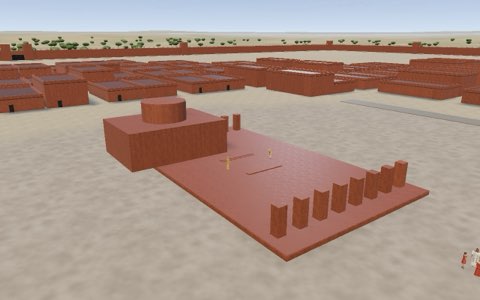
UNESCOMohenjo-daroSindhA baked-brick city of the Indus Valley Civilisation: the Great Bath waterproofed with bitumen, buildings on a grid plan and covered drains along the streets.
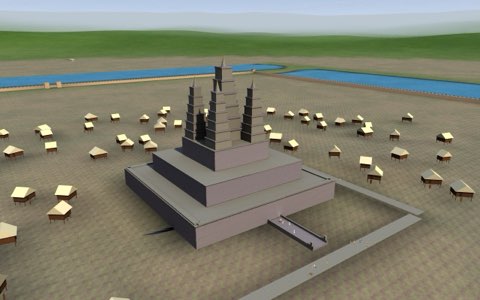
UNESCOAngkor WatSiem ReapA Khmer temple of five towers believed to represent Mount Meru, ringed by a moat 190 metres wide; considered the largest religious structure in the world.
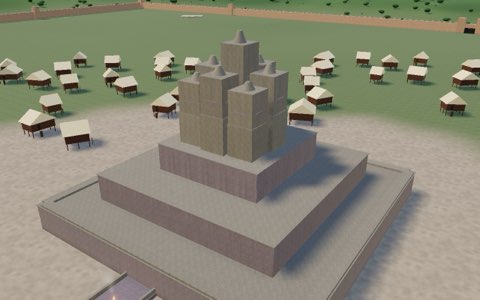
UNESCOBayon (Angkor Thom)Siem ReapThe temple of smiling stone faces: King Jayavarman VII's state temple, its towers adorned with about 200 gigantic faces, with reliefs of historical events and everyday Khmer life.
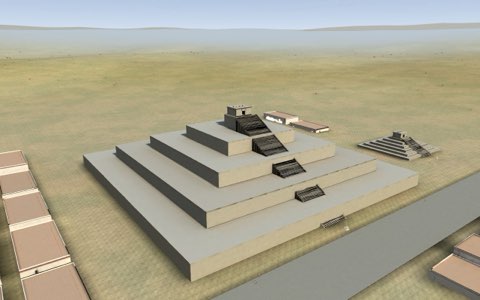
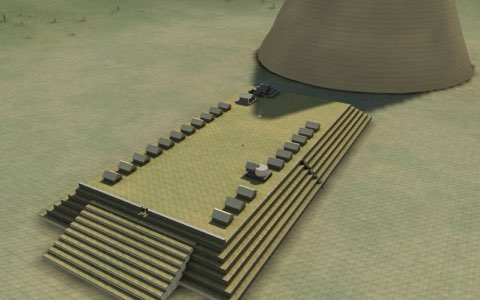
UNESCOTeotihuacanState of MexicoThe Pyramid of the Sun, about 65 metres high, the Pyramid of the Moon, the Avenue of the Dead and the Temple of the Feathered Serpent (Quetzalcoatl).
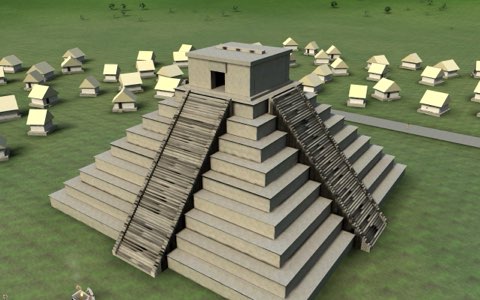
UNESCOChichen ItzaYucatánThe Maya city in Yucatán: El Castillo (Temple of Kukulcán), where shadows form a serpent around the equinoxes, the Great Ballcourt and El Caracol.
UNESCOMachu PicchuCuscoThe Inca site in the Andes: dry-stone walls, the Temple of the Sun (Torreón), the Intihuatana stone and farming terraces.
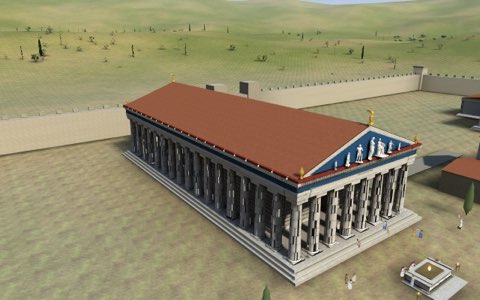
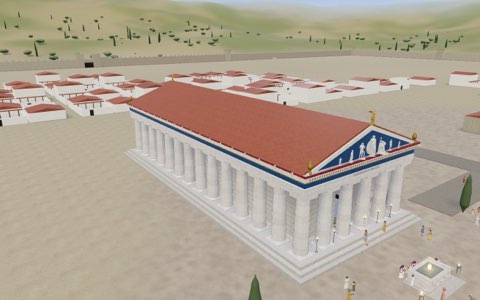
UNESCOAcropolis of AthensAtticaA universal symbol of classical Greek civilisation: the Parthenon of Pericles' age, the Erechtheion with its Caryatid porch, and the Propylaea gateway.
UNESCOLuxor (Thebes)LuxorThe temple of Amun on the Nile: the pylon and seated colossi of Ramesses II, the grand colonnade of Amenhotep III and the avenue of sphinxes leading to Karnak.
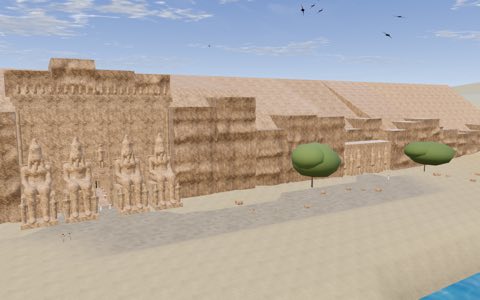
UNESCOAbu SimbelAswanTwo cliff-hewn temples in Nubia: four seated 20-metre statues of Ramesses II and the Small Temple of Queen Nefertari, dedicated to Hathor.
UNESCOSegoviaSegoviaThe wonder of Roman engineering: an aqueduct of 167 mortarless granite arches rising about 28 metres.
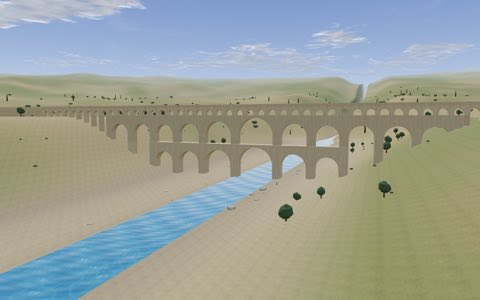
UNESCOPont du GardGardThe three-tier Roman aqueduct bridge over the Gardon River, 48.8 metres high, which carried about 40,000 cubic metres of water a day to Nîmes.
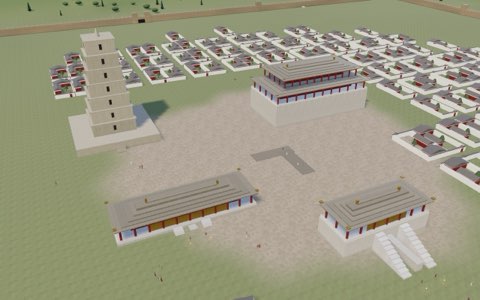
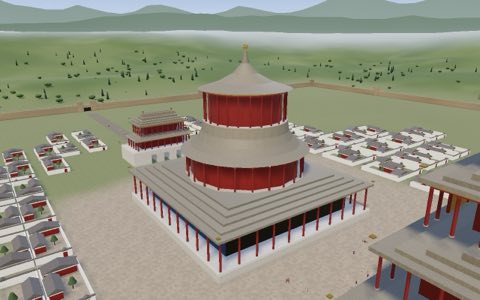
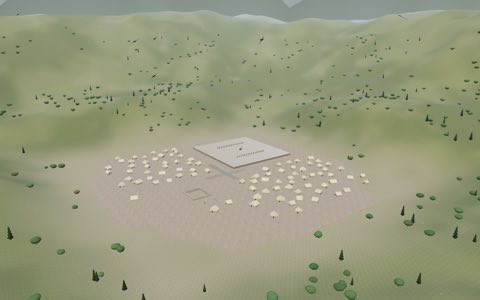
UNESCOChang'an (Xi'an)ShaanxiThe Tang-era capital at the eastern end of the Silk Roads: grid avenues, Daming Palace and the Giant Wild Goose Pagoda.
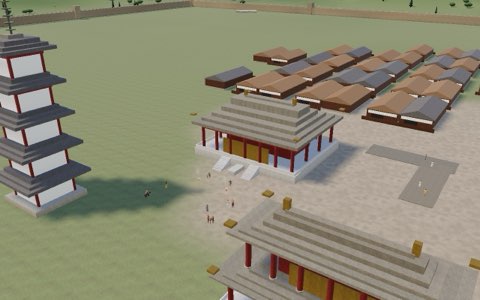
UNESCOHeian-kyō (Kyoto)KyotoThe capital of the Heian period: the Suzaku Avenue, about 85 metres wide, the Rashomon Gate at its southern end and the Daidairi palace precinct.
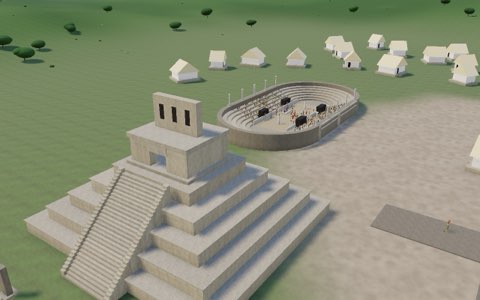
UNESCOTikalPeténA Classic-period Maya city in the jungle: the Temple of the Great Jaguar (Temple I), about 47 metres high, the North Acropolis and ball courts.
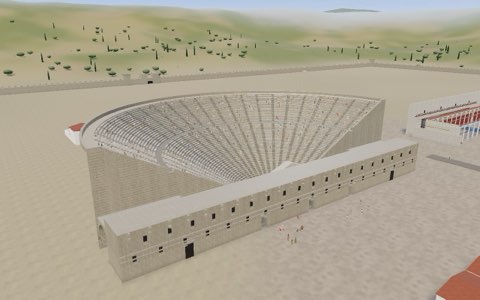
UNESCOPergamonİzmirA royal capital on a steep acropolis, home to the steepest theatre of the ancient world.
UNESCOAphrodisiasAydınA Roman city beside its own marble quarries, famous for its school of sculpture.
UNESCOGöreme Open Air MuseumNevşehirA cluster of monasteries and churches cut into the tuff; the frescoes of the Dark Church are among the best-preserved Byzantine paintings anywhere.
UNESCOSelimiye MosqueEdirneThe complex Sinan called his masterwork, its dome — resting on eight piers — wider than that of Hagia Sophia.
UNESCOSüleymaniye MosqueİstanbulSinan's complex on the hill above the Golden Horn, planned at the scale of a neighbourhood: mosque, colleges, hospital, baths and kitchens.
UNESCOBasilica CisternİstanbulAn underground reservoir on 336 columns, holding the water of the palace quarter through a siege; two of them stand on reused Medusa heads, one upside down and one on its side.
UNESCODelphiPhocisThe oracle of Apollo on Mount Parnassus: Temple of Apollo, Sacred Way, theatre, stadium and the circular Tholos.
UNESCOOlympiaElisThe sanctuary of the ancient Olympic Games: the Temple of Zeus, Hera's temple and the ancient running stadium.
UNESCOBaalbek (Heliopolis)Baalbek-HermelThe Roman sanctuary of Heliopolis: the Temple of Jupiter with columns about twenty metres high, the Temple of Bacchus and the hexagonal court.
UNESCOHerculaneumNaplesThe Roman town buried by the pyroclastic surges of Vesuvius: two-storey houses, the Palaestra, the Central Baths and the seaside boat houses.
UNESCOAquae Sulis (Bath)SomersetThe sacred thermal town of Roman Britain: the lead-lined Great Bath, the Temple of Sulis Minerva and the hot spring.
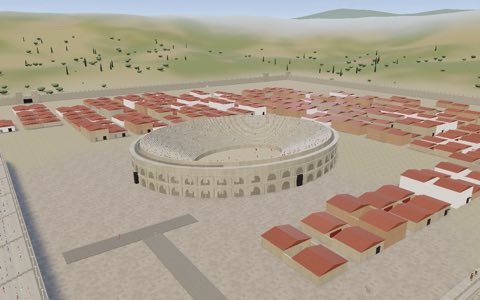
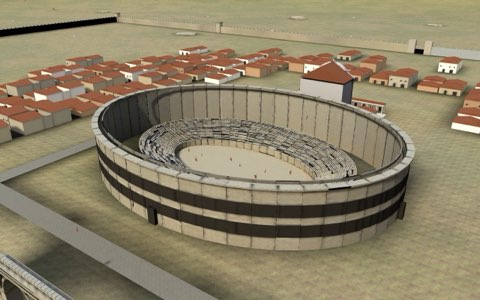
UNESCOArelate (Arles)Bouches-du-RhôneThe "Little Rome of Gaul": a two-tier Roman amphitheatre with 120 arches, an Augustan-era theatre and the forum cryptoporticus.
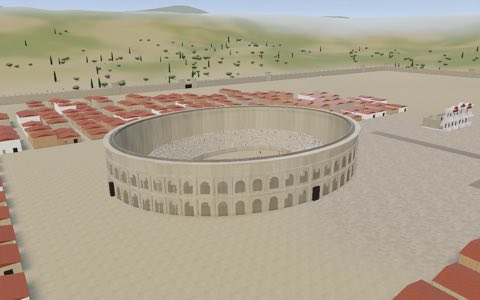
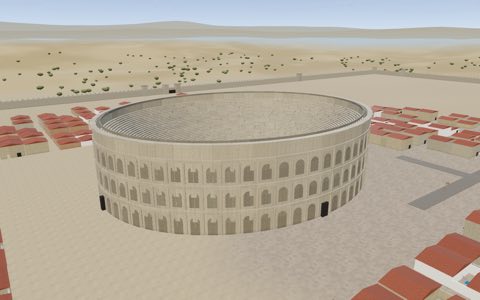
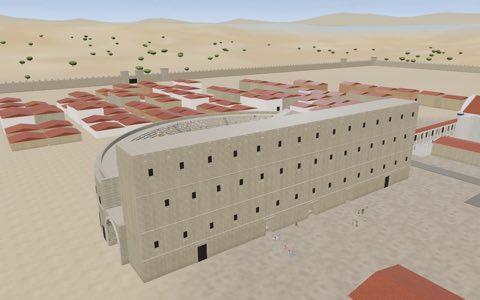
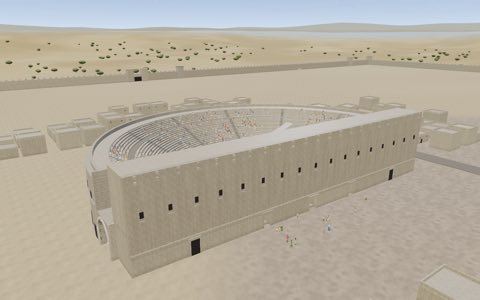
UNESCOEl Jem (Thysdrus)MahdiaThe three-storey Roman amphitheatre of Thysdrus in Tunisia: its main axes measure 148 and 122 metres, and its capacity is estimated at between 27,000 and 35,000 spectators.
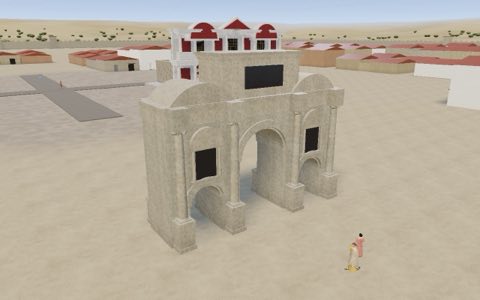
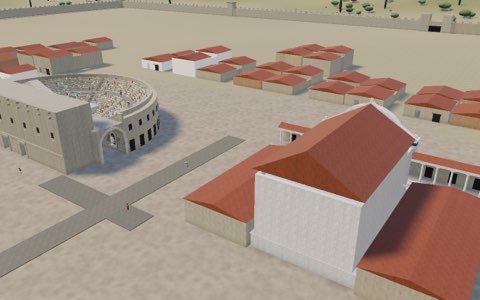
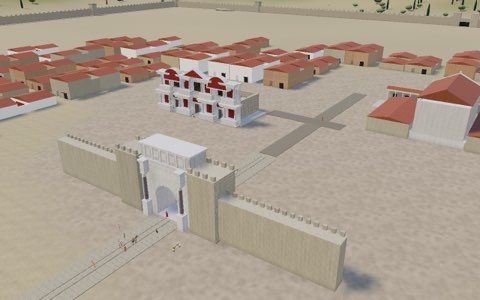
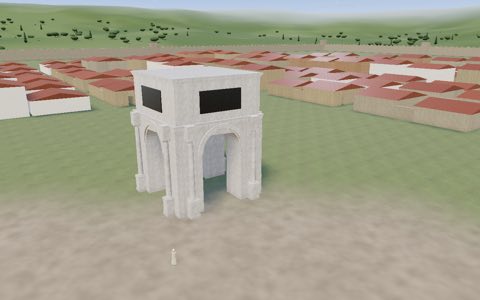
UNESCOTimgad (Thamugadi)BatnaA Roman colony founded by Trajan around AD 100: a grid-planned city with Trajan's three-arched arch, a 3,500-seat theatre and a public library.
UNESCODjémila (Cuicul)SétifCuicul, a Roman city adapted to mountainous terrain: the Arch of Caracalla of AD 216, a temple dedicated to the Septimian family, two forums and a theatre.
UNESCOVolubilis (Walili)Fès-MeknèsThe most important city of the province of Mauretania Tingitana: the Arch of Caracalla of AD 217, the Basilica, the Capitolium and mosaic-floored houses.
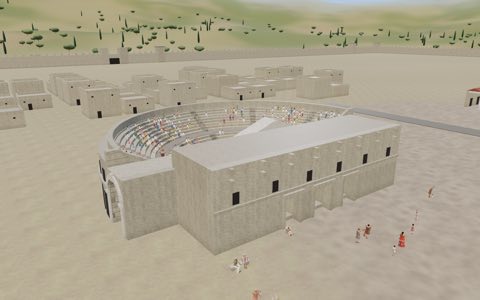
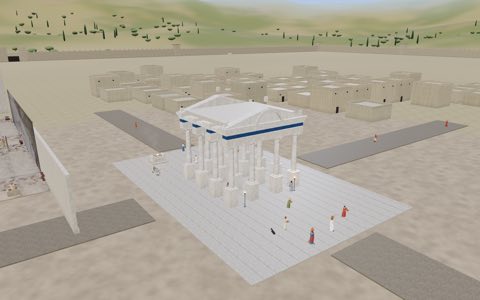
UNESCOSabrathaZawiyaSabratha, one of the major cities of Tripolitania: a Roman theatre close to the sea with a three-level stage wall (scaenae frons) of 96 columns, over 22 metres high.
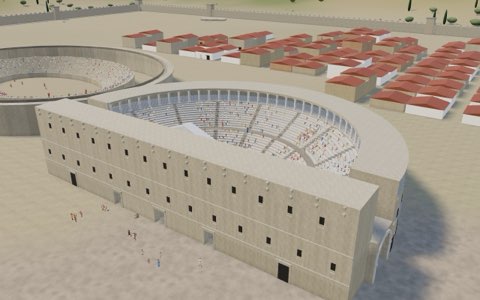
UNESCOBosra (Bostra)DaraaThe capital of the province of Arabia Petraea: a black basalt Roman theatre enclosed by an Ayyubid fortress, a Nabataean arch, a colonnaded street and a 6th-century cathedral.
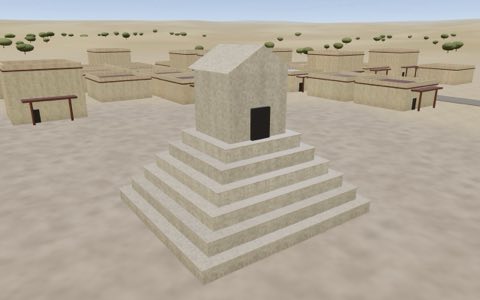
UNESCOPasargadaeFarsThe first capital of the Persian (Achaemenid) Empire: the six-step tomb of Cyrus the Great, palace remains and the earliest known Chahar Bagh garden.
UNESCOHampi (Vijayanagara)KarnatakaThe capital of the Vijayanagara Empire: the Virupaksha Temple, the granite Stone Chariot of the Vittala Temple, the Elephant Stables and the Lotus Mahal.
UNESCOChan ChanLa LibertadThe largest adobe city in the Americas: the capital of the Chimú kingdom, with ten walled palace compounds (ciudadelas) and walls carved with fish, waves and pelicans.
UNESCOPaestumSalernoA Magna Graecia city famed for three Doric temples: the two temples of Hera and the Temple of Athena, plus a Roman forum and amphitheatre.
UNESCOEpidaurusArgolisThe healing sanctuary of Asclepius: the ancient theatre of about 14,000 seats, famed for its acoustics, the circular Tholos and the stadium.
UNESCOTyreSouth LebanonThe Phoenician city famed for its purple dye: a Roman hippodrome, a triple-bay triumphal arch and an aqueduct.
UNESCOTarracoTarragonaCapital of Hispania Tarraconensis: a Roman amphitheatre by the sea, a circus estimated at 30,000 seats and the provincial forum.
UNESCOÉvora (Liberalitas Iulia)ÉvoraOne of the best-preserved Roman temples on the Iberian Peninsula: 14 surviving Corinthian columns with granite shafts and Estremoz marble capitals, in the Roman forum.
UNESCOLuoyangHenanOne of China's ancient imperial capitals: the Dingding Gate and central axis of Sui-Tang Luoyang, the White Horse Temple and the Longmen Grottoes.
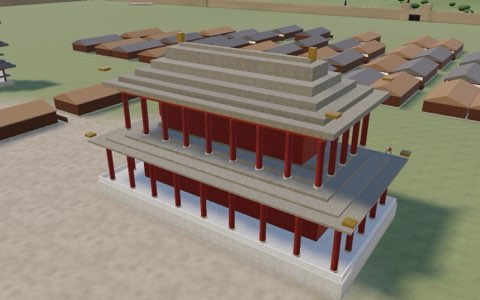
UNESCOHeijō-kyō (Nara)NaraJapan's capital in the Nara period: the Suzaku Gate, the Daigokuden audience hall (reconstructed) and the broad Suzaku Avenue.
UNESCOCopánCopánA Maya capital renowned for its sculpture: the Hieroglyphic Stairway with more than 2,000 glyphs, the portrait stelae of the Great Plaza and Altar Q.
UNESCOTiwanakuLa PazThe spiritual and political centre of the Tiwanaku culture: the Gate of the Sun (Puerta del Sol) carved from a single piece of stone, the Kalasasaya and the Akapana platform.
UNESCODerinkuyu Underground CityNevşehirAn underground city descending eight levels and some 60 metres, with stables, churches, wineries and ventilation shafts enough for thousands of people.
UNESCOChora (Kariye)İstanbulThe masterpiece of late Byzantine mosaic and fresco, holding the most complete surviving programme of Palaiologan painting.
UNESCODiyarbakır Fortress and Hevsel GardensDiyarbakırFive point eight kilometres of basalt wall, reckoned the longest unbroken defensive circuit after the Great Wall, wrapping the Hevsel Gardens on the Tigris.
UNESCOFreeSafranboluKarabükA town where a thousand registered Ottoman houses still stand, preserving almost intact the fabric of a caravan-road trading centre.
UNESCOFreeGreat Mosque of BursaBursaThe masterpiece of the multi-domed plan — twenty domes carried on twelve piers — with a fountain at its centre lit through an opening left where a dome would be.
UNESCONemausus (Nîmes)GardNemausus, a Roman colony in Gaul: the Maison Carrée, an arena that held about 24,000 spectators and the Pont du Gard bridge of the aqueduct that fed the city.
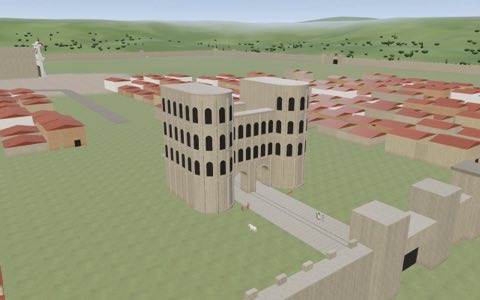
UNESCOAugusta Treverorum (Trier)Rhineland-PalatinateOne of the four capitals of the Roman Empire during the Tetrarchy: the Porta Nigra, the amphitheatre, the Basilica of Constantine and the Imperial Baths.
UNESCOEmerita Augusta (Mérida)BadajozThe capital of Lusitania: its Roman theatre, Temple of Diana, amphitheatre and the Roman bridge over the Guadiana.
UNESCOByblos (Gebal)Keserwan-JbeilAn ancient port known for its papyrus trade and early Phoenician inscriptions: the Temple of the Obelisks, a Roman theatre and a Crusader castle.
UNESCOAnjarBekaaAn Umayyad city in the Bekaa Valley based on Roman city planning: Cardo Maximus, Tetrapylon, Grand Palace, mosque and baths.
UNESCOXantenNorth Rhine-WestphaliaThe Roman city of Colonia Ulpia Traiana on the Rhine: the Harbour Temple, the amphitheatre, the Great Baths and the northern gate (Burginatiumtor).
UNESCOSaalburg Roman FortHesseThe Roman cohort fort on the Upper Germanic Limes, largely reconstructed: the Principia headquarters, the horreum granary and a double ditch with a mortared wall.
UNESCOCarnuntumLower AustriaThe capital of Pannonia Superior on the Danube Limes: the four-arched Heidentor triumphal monument, two amphitheatres and a gladiator school.
UNESCOQuiriguáIzabalA Maya city famed for Stela E, 10.6 metres tall and weighing about 65 tonnes, with its zoomorphic monuments, acropolis and Great Plaza.
UNESCOKaymaklı Underground CityNevşehirWider and lower-ceilinged than Derinkuyu, with four levels open to visitors and tunnels that still run beneath the village houses above.
UNESCOGreat Mosque and Hospital of DivriğiSivasA paired mosque and hospital whose carved portals have no equal in Anatolia — among the first sites in Türkiye inscribed by UNESCO.
UNESCOFreeCumalıkızıkBursaA foundation village from the Ottomans' first century, lived in on the same plan for seven hundred years, cobbled lanes and overhanging houses intact.
UNESCOFreeGreen TombBursaThe tomb of Mehmed I, its turquoise tiles picking it out from across Bursa, and its cenotaph carrying the richest tilework of the age.
UNESCOFreeEşrefoğlu MosqueKonyaForty-two cedar columns carry a wooden ceiling still in place after seven centuries, and the snow well at its centre is left open so winter snow can keep the timber from drying out.
UNESCOFreeValens AqueductİstanbulTwo tiers of arches bridging the valley between two hills — the last link in a 250-kilometre line from the Thracian springs, kept in repair and in use through Ottoman centuries.
UNESCOHouse of the Virgin MaryİzmirA stone house on Bülbüldağı held to be where Mary spent her last years — visited by popes, and a place of pilgrimage for Christians and Muslims alike.
UNESCOFreeObelisk of TheodosiusİstanbulThe granite obelisk Thutmose III raised at Karnak, moved to the Hippodrome in AD 390; the reliefs on its base show step by step how it was set upright.
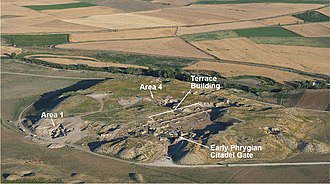
UNESCOYazılıkayaÇorumThe open-air sanctuary of Hattusa: along the walls of two rock chambers, a procession of more than sixty gods and goddesses is carved in relief.
UNESCOFreeGreen MosqueBursaThe mosque of Mehmed I's complex, whose royal loge tiles and mihrab are reckoned the high point of early Ottoman decoration.
UNESCOLetoon SanctuaryMuğlaLetoon, a Lycian sanctuary dedicated to Leto and her twins Apollo and Artemis, is listed together with Xanthos as a UNESCO World Heritage Site.
UNESCOZelve Open Air MuseumNevşehirA rock settlement spread over three valleys, lived in without a break until 1952, when the danger of collapse emptied it.
UNESCOSoğanlı ValleyKayseriThe quiet valley of Cappadocia: dozens of churches cut into its slopes, their frescoes standing — unlike Göreme's — mostly without a crowd in front of them.
UNESCOBinbirdirek CisternİstanbulThe city's second largest covered cistern: each of its 224 columns is two shafts set one on the other, the stone collars at the joins still visible.
UNESCOTheodosius CisternİstanbulBuilt under Theodosius II to store the water the Valens aqueduct brought in; its hall of thirty-two marble columns was repaired and opened to visitors in 2018.
UNESCOYedikule FortressİstanbulThe seven-towered fortress Mehmed II grafted onto the Golden Gate of the Theodosian walls, used as treasury, arsenal and the state prison where envoys were held.
UNESCOFreeMahmut Bey MosqueKastamonuBuilt entirely by interlocking joinery without a single nail, its ceiling and capitals still carrying six-hundred-and-fifty-year-old original paintwork.
UNESCOFreeSerpent ColumnİstanbulThe bronze column the thirty-one Greek cities that beat Persia at Plataea cast from captured weapons and dedicated at Delphi, brought to the Hippodrome in the fourth century AD.
UNESCOFreeColumn of ConstantineİstanbulThe porphyry column Constantine set at the centre of his forum when he founded the new capital: the city's oldest standing monument, in the same place for seventeen centuries.
UNESCOHagia IreneİstanbulThe city's first church, where the Second Ecumenical Council met in 381. It was never converted into a mosque, so the interior survives as it was.
UNESCOBasilica of St JohnİzmirThe six-domed basilica Justinian raised over the tomb of John; when it was finished it was the largest church after Hagia Sophia.
UNESCOFreeSivrihisar Great MosqueEskişehirSixty-seven wooden columns carry the roof, more than in any other Anatolian hypostyle mosque, and some of their capitals were reused from ancient buildings.
UNESCOFreeTombs of Osman and OrhanBursaThe tombs of the first two Ottoman rulers stand side by side over the remains of a Byzantine monastery, whose floor mosaic can still be seen in Orhan's.
UNESCOFreeAfyonkarahisar Great MosqueAfyonkarahisarBelow the citadel, its flat roof on forty wooden columns makes it one of the earliest dated Seljuk timber mosques.
UNESCOFreeArslanhane MosqueAnkaraA wooden hypostyle mosque below Ankara castle, its stucco mihrab among the most elaborate pieces of Seljuk plasterwork.
UNESCOCinci HanKarabükA two-storey Ottoman han in the middle of the Safranbolu market — animals below, merchants above — and in use as a hotel today.