UNESCO
Pompeii
Campania
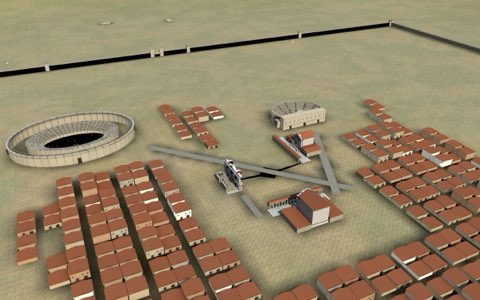
The Roman city buried by Vesuvius in AD 79 and preserved in the ash: forum, two theatres, amphitheatre and frescoed houses.
Cities beyond Rome's Anatolian provinces: Pompeii, Eboracum, Nemausus and Augusta Treverorum.
Campania
The Roman city buried by Vesuvius in AD 79 and preserved in the ash: forum, two theatres, amphitheatre and frescoed houses.
North Yorkshire
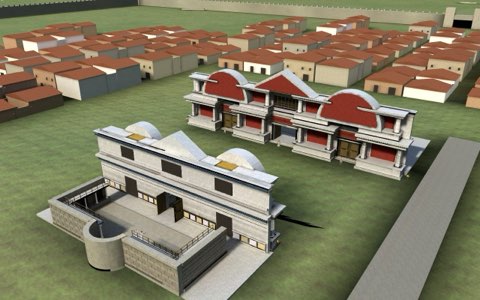
Rome's northern legionary fortress in Britain: base of the Sixth Legion Victrix, with remains of the principia beneath York Minster, and the city where Septimius Severus died.
Wiltshire
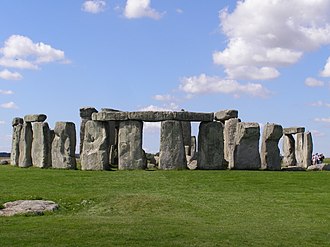
On Salisbury Plain, inside a chalk-cut ditched enclosure: a circle of great sarsens, five trilithons and bluestones brought from Wales, its axis set on midsummer sunrise and midwinter sunset.

Lazio
The heart of ancient Rome: the Flavian Amphitheatre (the Colosseum) with its eighty entrances, the basilicas, temples and triumphal arches of the Roman Forum, the Basilica of Maxentius and the Arch of Constantine.

Giza
The funerary complex of the Fourth Dynasty pharaohs of the Old Kingdom: the Great Pyramid of Khufu, the pyramids of Khafre and Menkaure, and the Great Sphinx.

Lazio
The temple Hadrian dedicated about AD 126: a granite-columned porch and a concrete dome 43.3 metres across, open to the sky at its crown.
Gard
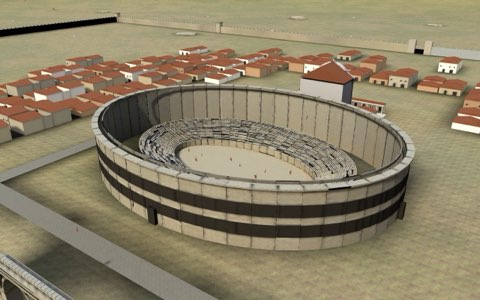
Nemausus, a Roman colony in Gaul: the Maison Carrée, an arena that held about 24,000 spectators and the Pont du Gard bridge of the aqueduct that fed the city.
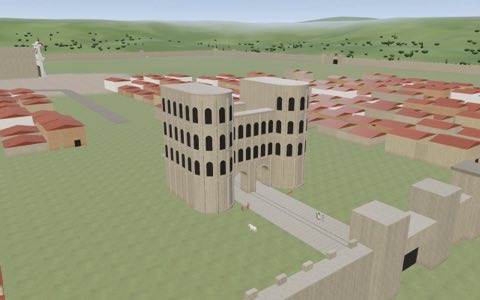
Rhineland-Palatinate
One of the four capitals of the Roman Empire during the Tetrarchy: the Porta Nigra, the amphitheatre, the Basilica of Constantine and the Imperial Baths.
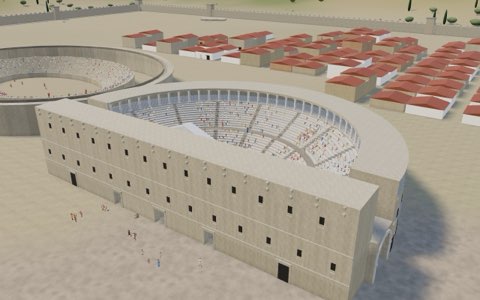
Badajoz
The capital of Lusitania: its Roman theatre, Temple of Diana, amphitheatre and the Roman bridge over the Guadiana.
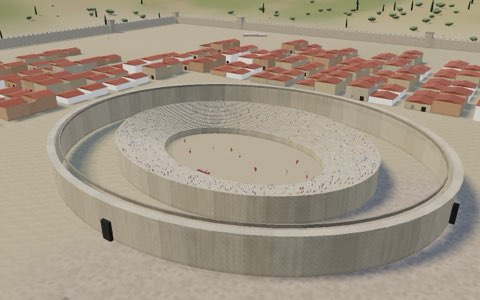
Seville
The Roman city where Trajan and Hadrian were born: a 25,000-seat amphitheatre, the Traianeum and mosaic houses.
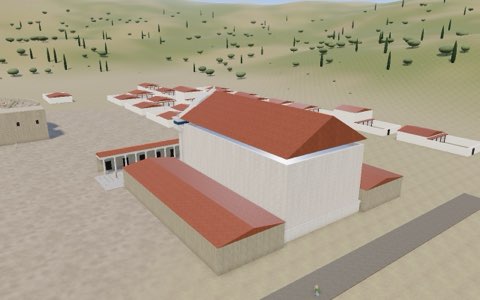
Phocis
The oracle of Apollo on Mount Parnassus: Temple of Apollo, Sacred Way, theatre, stadium and the circular Tholos.
Elis
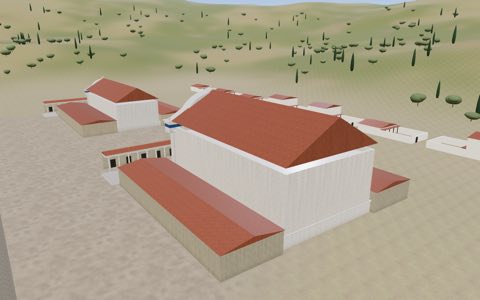
The sanctuary of the ancient Olympic Games: the Temple of Zeus, Hera's temple and the ancient running stadium.
Alexandria
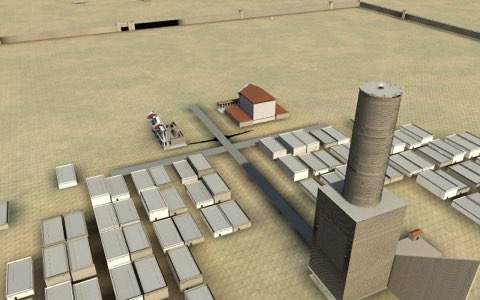
The Hellenistic metropolis founded by Alexander: the Pharos lighthouse (one of the Seven Wonders), Serapeum and colonnades.
Luxor
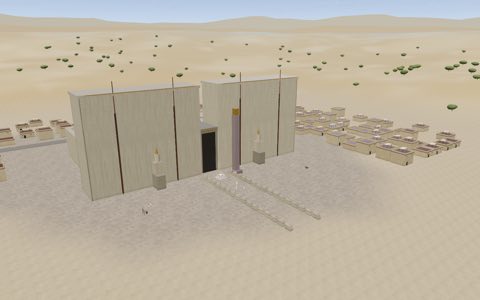
The largest religious complex of ancient Egypt: Temple of Amun-Ra, Great Hypostyle Hall of 134 columns, pylons and obelisks.
Ma'an
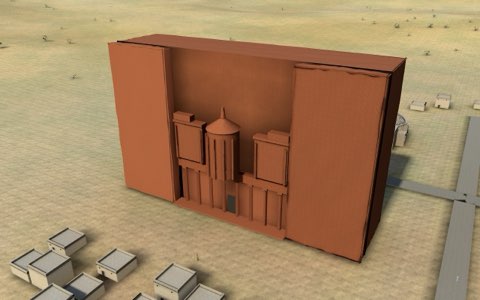
The rose-red rock city of the Nabataean kingdom: Al-Khazneh (The Treasury), the rock-cut theatre and the colonnaded street.
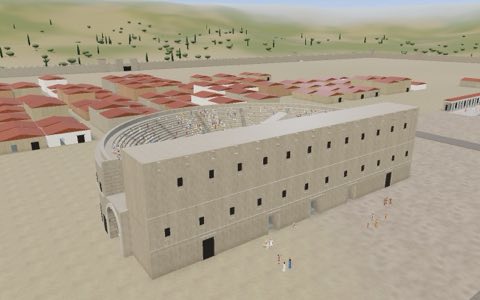
Jerash
Gerasa, one of the cities of the Decapolis: the Oval Forum, the colonnaded Cardo Maximus, the Temple of Artemis and the South Theatre.
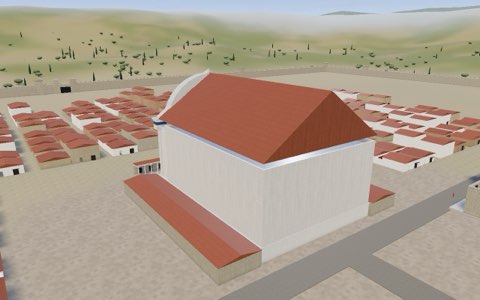
Baalbek-Hermel
The Roman sanctuary of Heliopolis: the Temple of Jupiter with columns about twenty metres high, the Temple of Bacchus and the hexagonal court.
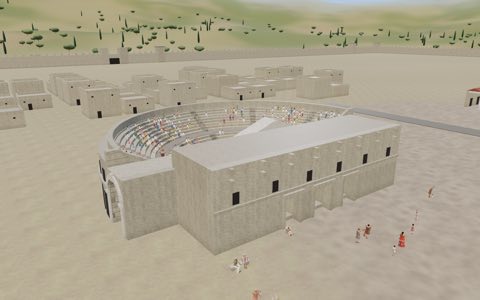
Keserwan-Jbeil
An ancient port known for its papyrus trade and early Phoenician inscriptions: the Temple of the Obelisks, a Roman theatre and a Crusader castle.
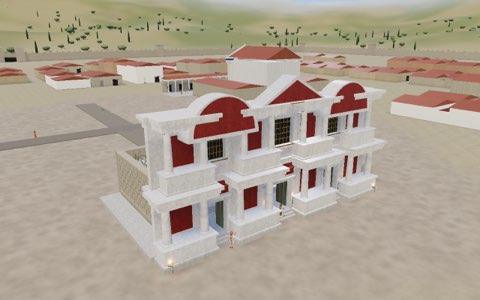
Naples
The Roman town buried by the pyroclastic surges of Vesuvius: two-storey houses, the Palaestra, the Central Baths and the seaside boat houses.
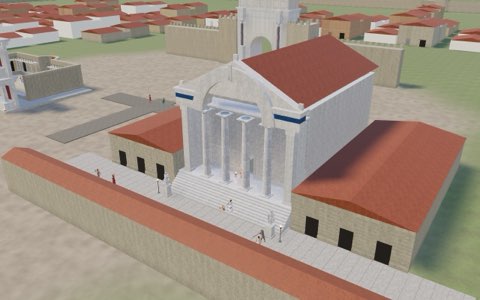
Somerset
The sacred thermal town of Roman Britain: the lead-lined Great Bath, the Temple of Sulis Minerva and the hot spring.
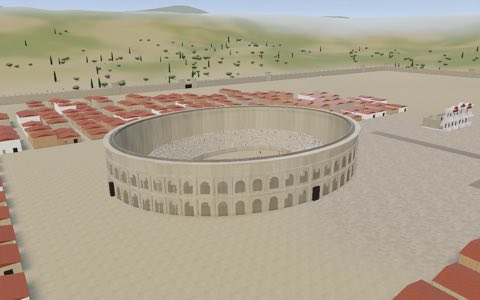
Bouches-du-Rhône
The "Little Rome of Gaul": a two-tier Roman amphitheatre with 120 arches, an Augustan-era theatre and the forum cryptoporticus.
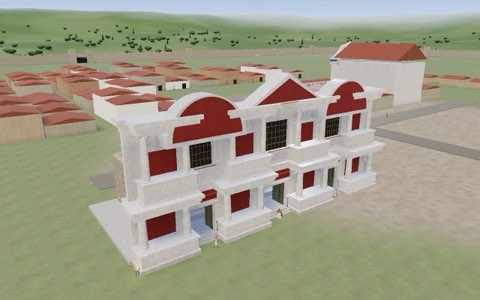
North Rhine-Westphalia
The capital of Germania Inferior: the governor's palace (Praetorium) on the Rhine, the North Gate and a Roman house with the Dionysus mosaic.
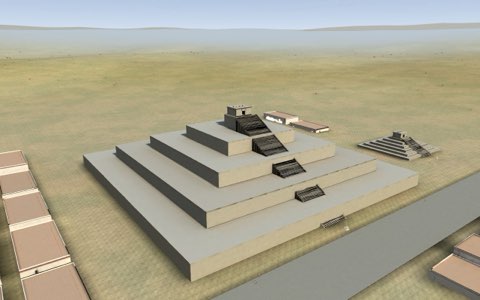
State of Mexico
The Pyramid of the Sun, about 65 metres high, the Pyramid of the Moon, the Avenue of the Dead and the Temple of the Feathered Serpent (Quetzalcoatl).
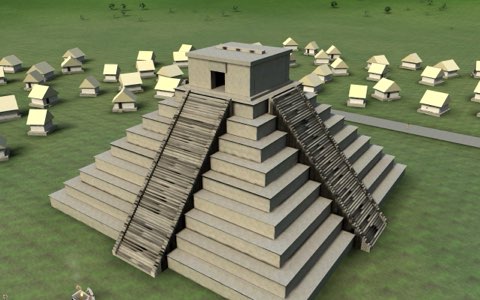
Yucatán
The Maya city in Yucatán: El Castillo (Temple of Kukulcán), where shadows form a serpent around the equinoxes, the Great Ballcourt and El Caracol.
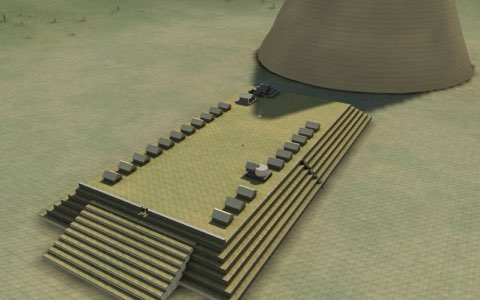
Cusco
The Inca site in the Andes: dry-stone walls, the Temple of the Sun (Torreón), the Intihuatana stone and farming terraces.
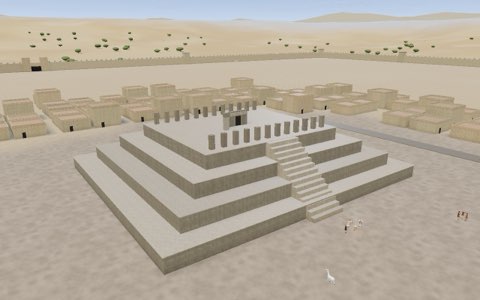
La Libertad
The largest adobe city in the Americas: the capital of the Chimú kingdom, with ten walled palace compounds (ciudadelas) and walls carved with fish, waves and pelicans.
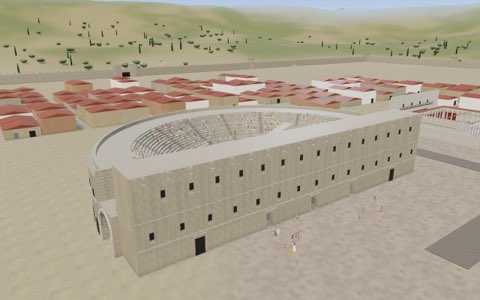
Rome
Rome's seaport at the mouth of the Tiber: Hadrian's Capitolium, the theatre, the mosaic-decorated Baths of Neptune and multi-storey apartment blocks (insulae).
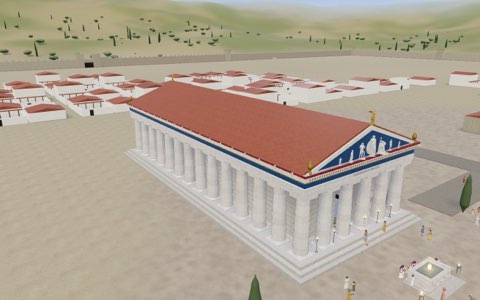
Salerno
A Magna Graecia city famed for three Doric temples: the two temples of Hera and the Temple of Athena, plus a Roman forum and amphitheatre.
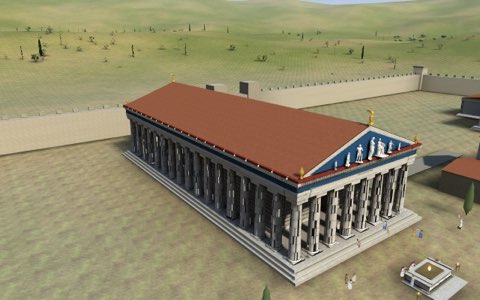
Attica
A universal symbol of classical Greek civilisation: the Parthenon of Pericles' age, the Erechtheion with its Caryatid porch, and the Propylaea gateway.
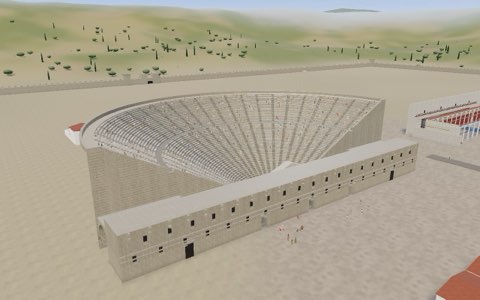
Argolis
The healing sanctuary of Asclepius: the ancient theatre of about 14,000 seats, famed for its acoustics, the circular Tholos and the stadium.
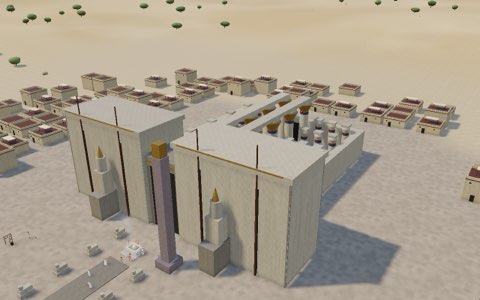
Luxor
The temple of Amun on the Nile: the pylon and seated colossi of Ramesses II, the grand colonnade of Amenhotep III and the avenue of sphinxes leading to Karnak.
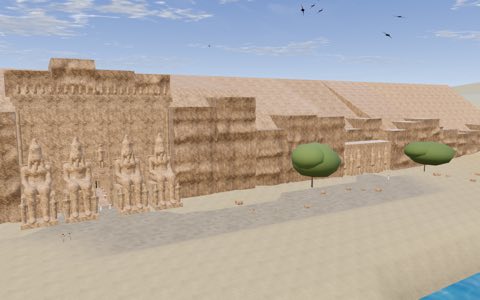
Aswan
Two cliff-hewn temples in Nubia: four seated 20-metre statues of Ramesses II and the Small Temple of Queen Nefertari, dedicated to Hathor.
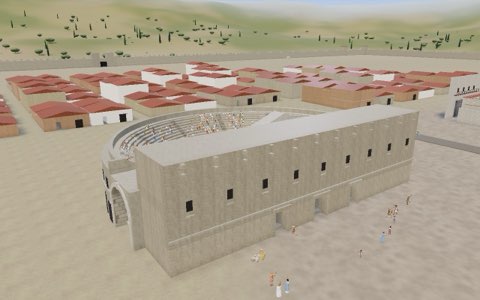
Irbid
Gadara, a Decapolis city on a ridge overlooking the Sea of Galilee (Tiberias): the basalt Western Theatre, a colonnaded decumanus and a Byzantine octagonal church.
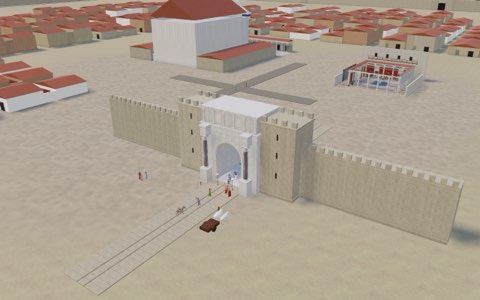
Amman
The acropolis of ancient Philadelphia: the Temple of Hercules, a Byzantine basilica and the Umayyad Palace.
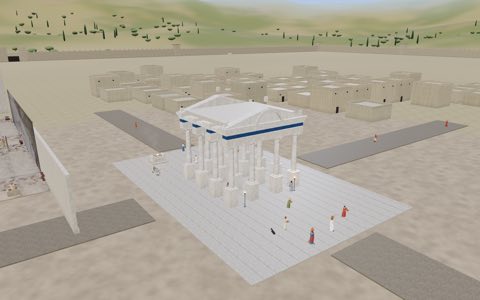
Bekaa
An Umayyad city in the Bekaa Valley based on Roman city planning: Cardo Maximus, Tetrapylon, Grand Palace, mosque and baths.
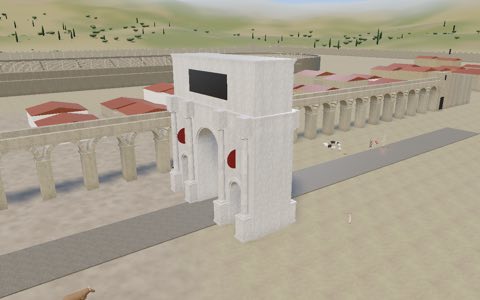
South Lebanon
The Phoenician city famed for its purple dye: a Roman hippodrome, a triple-bay triumphal arch and an aqueduct.
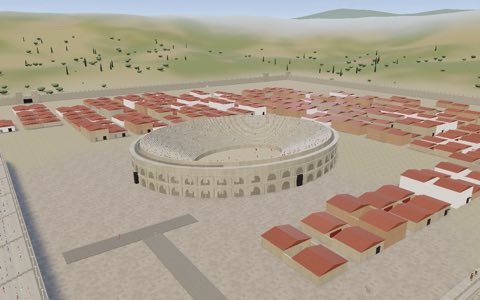
Tarragona
Capital of Hispania Tarraconensis: a Roman amphitheatre by the sea, a circus estimated at 30,000 seats and the provincial forum.
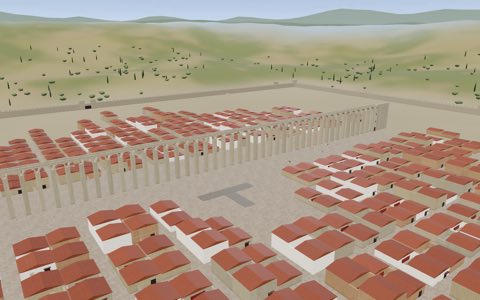
Segovia
The wonder of Roman engineering: an aqueduct of 167 mortarless granite arches rising about 28 metres.
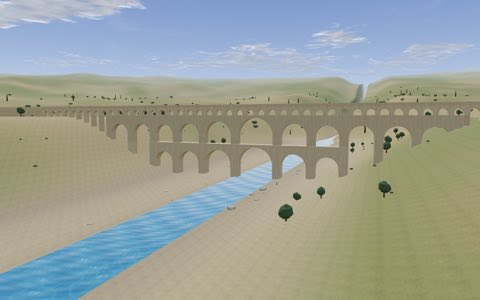
Gard
The three-tier Roman aqueduct bridge over the Gardon River, 48.8 metres high, which carried about 40,000 cubic metres of water a day to Nîmes.
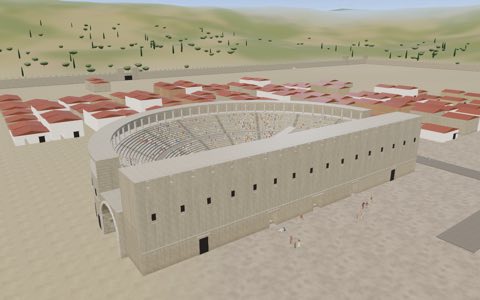
Vaucluse
Ancient Vasio in Provence: the single-arch Roman bridge over the Ouvèze, the Houses of the Dolphin and the Peacock, and the hillside Roman theatre.
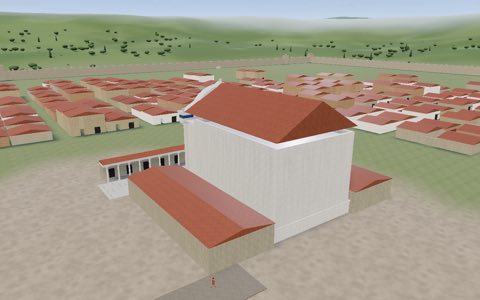
North Rhine-Westphalia
The Roman city of Colonia Ulpia Traiana on the Rhine: the Harbour Temple, the amphitheatre, the Great Baths and the northern gate (Burginatiumtor).
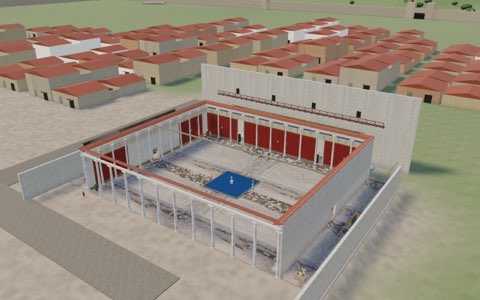
Hesse
The Roman cohort fort on the Upper Germanic Limes, largely reconstructed: the Principia headquarters, the horreum granary and a double ditch with a mortared wall.
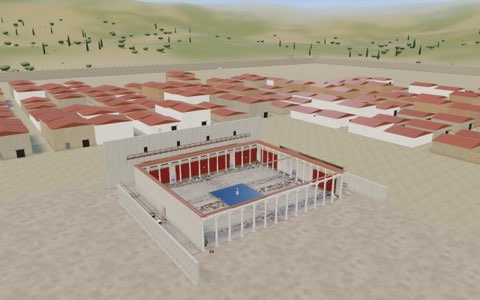
Coimbra
One of the largest Roman settlements excavated in Portugal: the House of Fountains with its mosaics and water-feature peristyle, the forum, baths and a defensive wall.
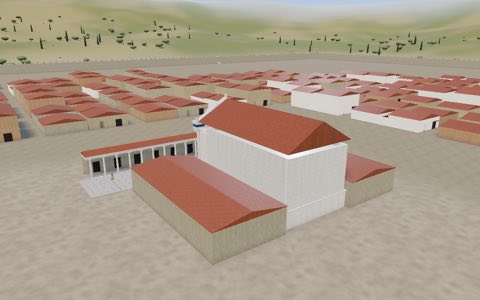
Évora
One of the best-preserved Roman temples on the Iberian Peninsula: 14 surviving Corinthian columns with granite shafts and Estremoz marble capitals, in the Roman forum.
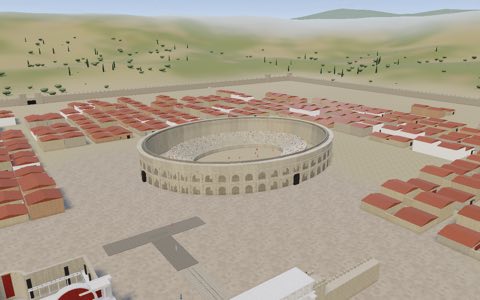
Split-Dalmatia
The roughly 60,000-strong capital of the province of Dalmatia: a Roman amphitheatre for about 15,000-18,000 spectators, the Porta Caesarea gate and early Christian basilicas.
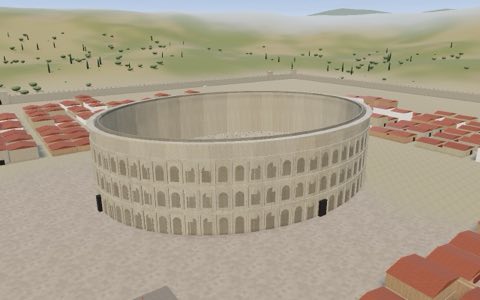
Istria
The Pula Roman Arena (about 23,000 spectators in Roman times), the Temple of Augustus and Roma, and the Arch of the Sergii.
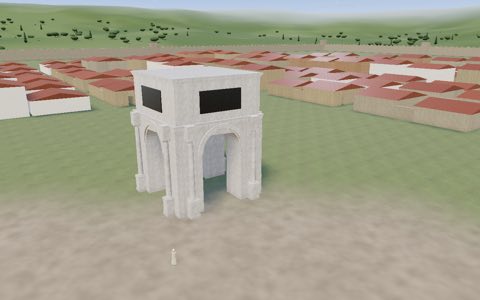
Lower Austria
The capital of Pannonia Superior on the Danube Limes: the four-arched Heidentor triumphal monument, two amphitheatres and a gladiator school.
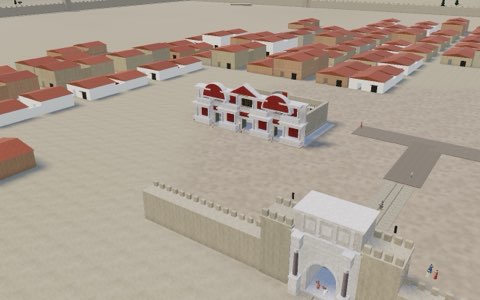
Tyrol
A Roman municipium in an Alpine valley: an atrium house, city gate and walls, a large thermal bath complex and a macellum.
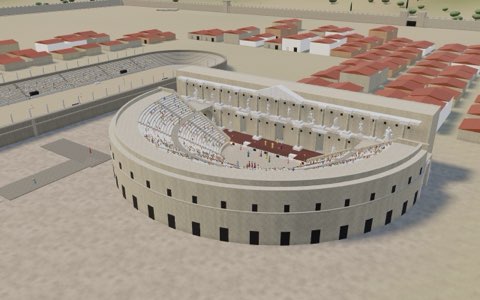
Plovdiv
The ancient Roman city in Plovdiv: the marble theatre of the Trajanic period, a Roman stadium seating about 30,000, and the Forum with its Odeon.
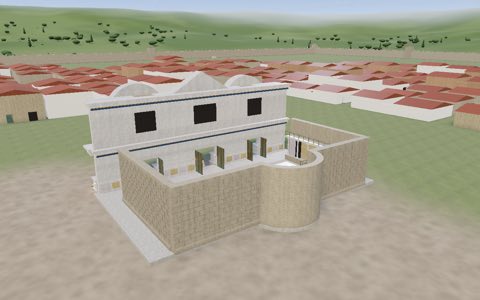
Sofia
Capital of Dacia Mediterranea: the Decumanus Maximus, the 4th-century Rotunda of St George, an amphitheatre and the eastern gate.
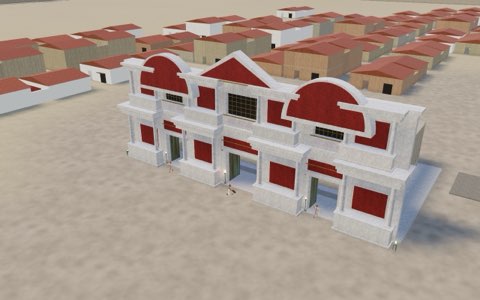
Vardar
The capital of Macedonia Salutaris at the confluence of the Erigon (Crna) and Axios (Vardar): a theatre for about 7,600 by archaeologists' calculations, the mosaic-adorned Episcopal Basilica and the Via Sacra.
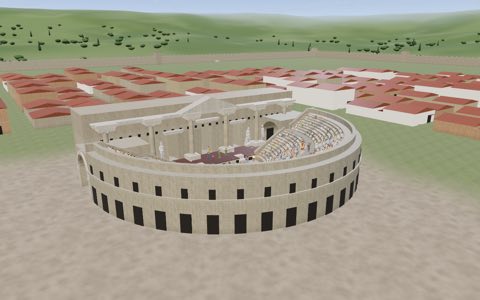
Pelagonia
A city founded by Philip II in the 4th century BC on the Via Egnatia: a Roman theatre, early Christian basilicas and their mosaics.
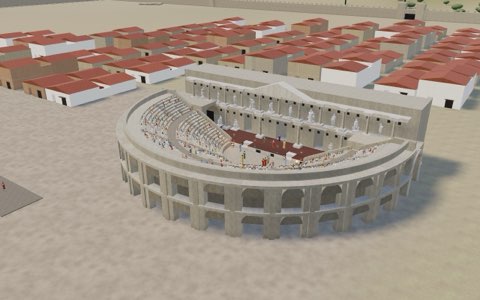
Limassol
The clifftop city-kingdom overlooking Episkopi Bay: spectacular Greco-Roman theatre, mosaic baths of Eustolios and Apollo Hylates sanctuary.
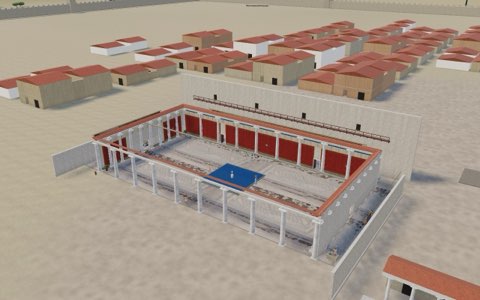
Famagusta
An ancient city-kingdom and Roman city on Cyprus's east coast: a marble-columned Gymnasium, a theatre seating up to 15,000, and Roman baths.
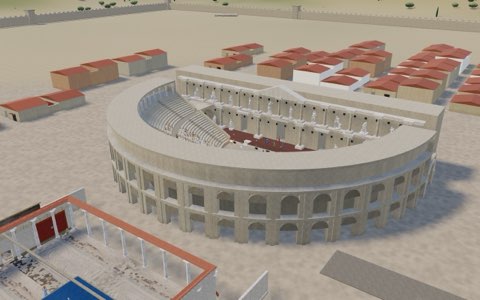
Haifa
King Herod's harbour city on Israel's Mediterranean coast: the Sebastos harbour, a seaside theatre, a hippodrome and a high-level aqueduct.
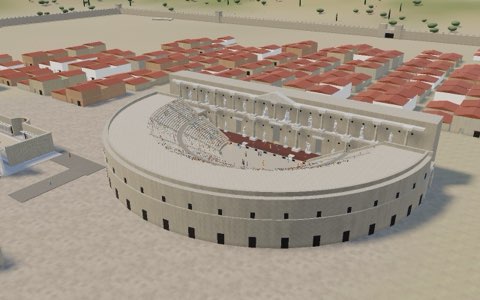
Northern District
The only Decapolis city west of the Jordan River: Palladius Street, a Roman theatre seating about 7,000, public bathhouses and the tell of the Egyptian-ruled town.
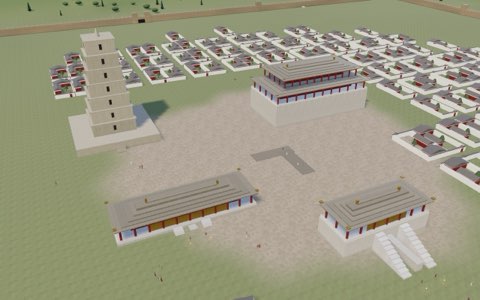
Shaanxi
The Tang-era capital at the eastern end of the Silk Roads: grid avenues, Daming Palace and the Giant Wild Goose Pagoda.
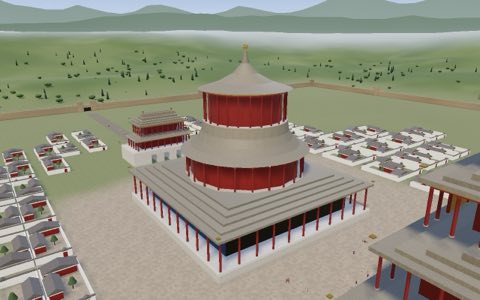
Henan
One of China's ancient imperial capitals: the Dingding Gate and central axis of Sui-Tang Luoyang, the White Horse Temple and the Longmen Grottoes.
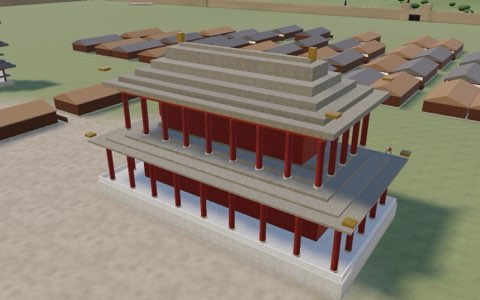
Nara
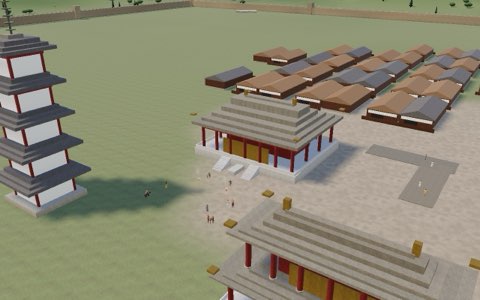
Japan's capital in the Nara period: the Suzaku Gate, the Daigokuden audience hall (reconstructed) and the broad Suzaku Avenue.
Kyoto
The capital of the Heian period: the Suzaku Avenue, about 85 metres wide, the Rashomon Gate at its southern end and the Daidairi palace precinct.
Petén
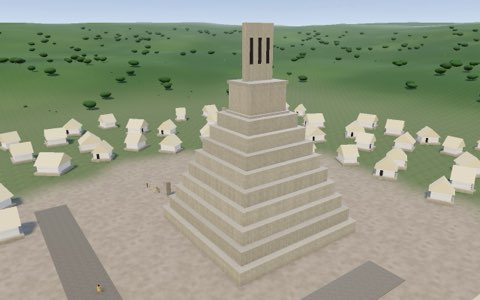
A Classic-period Maya city in the jungle: the Temple of the Great Jaguar (Temple I), about 47 metres high, the North Acropolis and ball courts.
Izabal
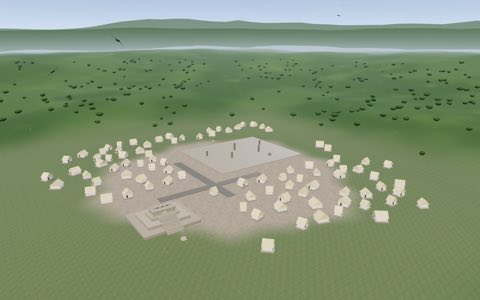
A Maya city famed for Stela E, 10.6 metres tall and weighing about 65 tonnes, with its zoomorphic monuments, acropolis and Great Plaza.
Copán
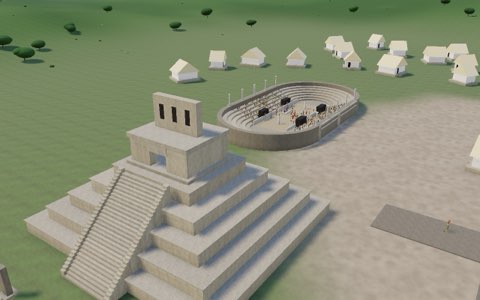
A Maya capital renowned for its sculpture: the Hieroglyphic Stairway with more than 2,000 glyphs, the portrait stelae of the Great Plaza and Altar Q.
Copán
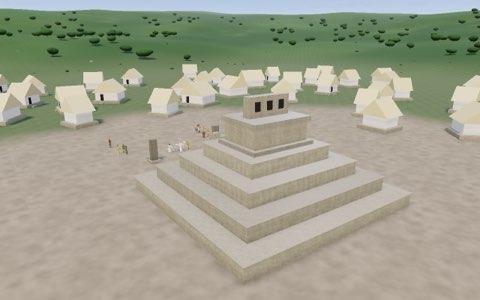
A Maya city in the Copán region of Honduras near the confluence of the Chamelecón and Chinamito rivers: a six-tiered main pyramid 12 metres high and ceremonial plazas.
La Paz
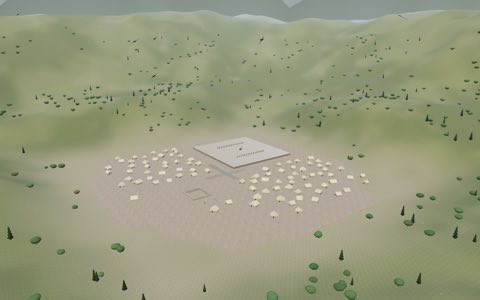
The spiritual and political centre of the Tiwanaku culture: the Gate of the Sun (Puerta del Sol) carved from a single piece of stone, the Kalasasaya and the Akapana platform.
La Paz
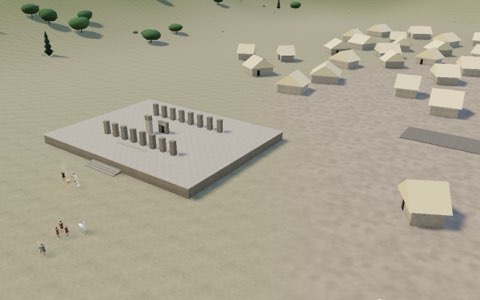
The terraced platform of Tiwanaku: interlocking H-blocks, a red sandstone slab of about 131 tonnes and copper-arsenic-nickel bronze cramps.