
UNESCO
Ephesus
İzmir
One of the best-preserved Roman cities of antiquity, famed for the Library of Celsus.
Rome's first Anatolian territory was the Kingdom of Pergamon, bequeathed by Attalus III in 133 BCE and organised as the province of Asia; through the Mithridatic Wars and the annexation of client kingdoms, all of Anatolia was divided into Roman provinces by the 1st century CE. Under the Pax Romana its cities grew rich with theatres, aqueducts and baths, and Christianity spread early in Anatolia through Paul's journeys. The division of 395 CE and the rise of Constantinople mark the transition to the Byzantine era.
İzmir
One of the best-preserved Roman cities of antiquity, famed for the Library of Celsus.
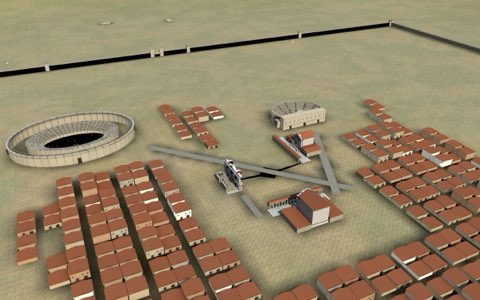
Campania
The Roman city buried by Vesuvius in AD 79 and preserved in the ash: forum, two theatres, amphitheatre and frescoed houses.

Lazio
The heart of ancient Rome: the Flavian Amphitheatre (the Colosseum) with its eighty entrances, the basilicas, temples and triumphal arches of the Roman Forum, the Basilica of Maxentius and the Arch of Constantine.

Lazio
The temple Hadrian dedicated about AD 126: a granite-columned porch and a concrete dome 43.3 metres across, open to the sky at its crown.
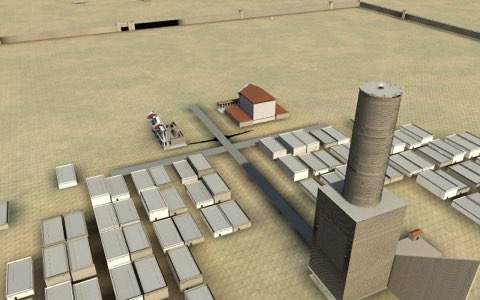
Alexandria
The Hellenistic metropolis founded by Alexander: the Pharos lighthouse (one of the Seven Wonders), Serapeum and colonnades.
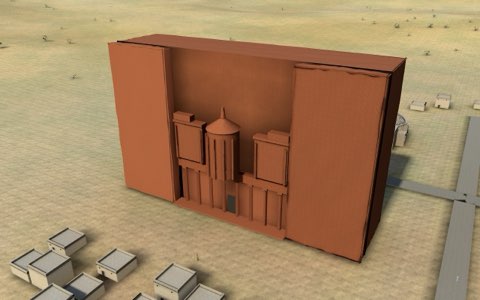
Ma'an
The rose-red rock city of the Nabataean kingdom: Al-Khazneh (The Treasury), the rock-cut theatre and the colonnaded street.
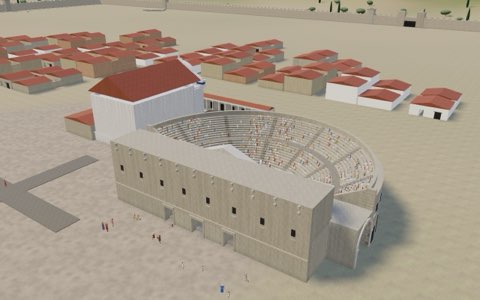
Tunis
Punic and Roman Carthage: Byrsa Hill, the circular military harbour (cothon) and the Antonine Baths.
Murqub
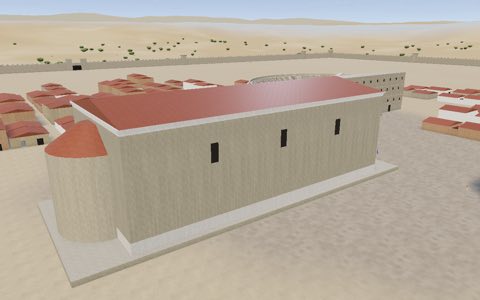
The Roman city where Septimius Severus was born: his four-way arch, the Severan Basilica, the new forum and the theatre.
Homs
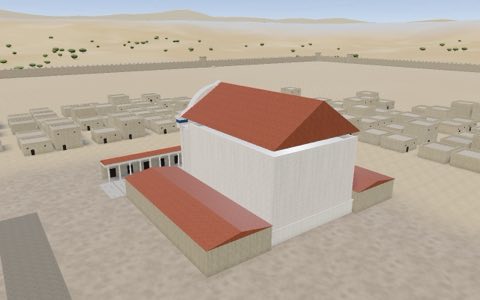
In a Syrian desert oasis: the Great Colonnade of about 1.1 kilometres, the Temple of Bel, the Monumental Arch and the capital of Queen Zenobia.
Segovia
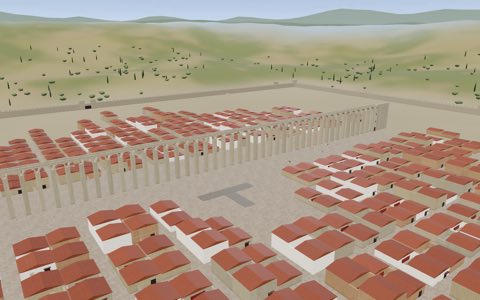
The wonder of Roman engineering: an aqueduct of 167 mortarless granite arches rising about 28 metres.
Gard
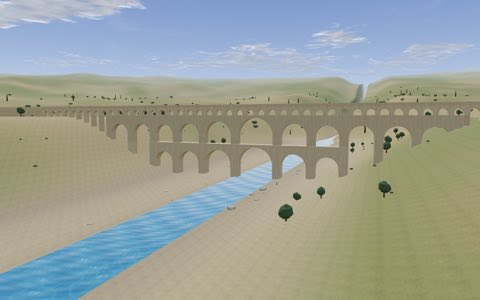
The three-tier Roman aqueduct bridge over the Gardon River, 48.8 metres high, which carried about 40,000 cubic metres of water a day to Nîmes.

İzmir
A royal capital on a steep acropolis, home to the steepest theatre of the ancient world.

Aydın
A Roman city beside its own marble quarries, famous for its school of sculpture.

Denizli
A spa and necropolis city built above the travertines of Pamukkale.

Antalya
The best-preserved ancient theatre in the world — still hosting concerts today.

Çanakkale
The legendary mound of nine superimposed cities behind Homer's Iliad.

İstanbul
Türkiye's first museum, founded by Osman Hamdi Bey: the Alexander Sarcophagus, the Kadesh treaty tablet and the Tiled Kiosk share one garden.

Gaziantep
The largest mosaic museum in the world, showing the floors rescued from Zeugma before the Birecik dam flooded the city.
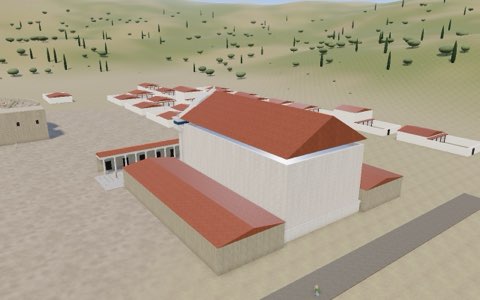
Phocis
The oracle of Apollo on Mount Parnassus: Temple of Apollo, Sacred Way, theatre, stadium and the circular Tholos.
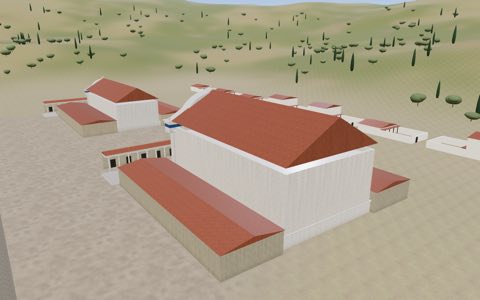
Elis
The sanctuary of the ancient Olympic Games: the Temple of Zeus, Hera's temple and the ancient running stadium.
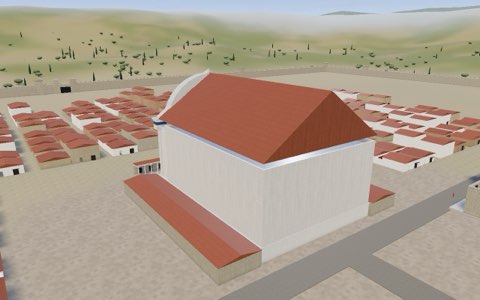
Baalbek-Hermel
The Roman sanctuary of Heliopolis: the Temple of Jupiter with columns about twenty metres high, the Temple of Bacchus and the hexagonal court.
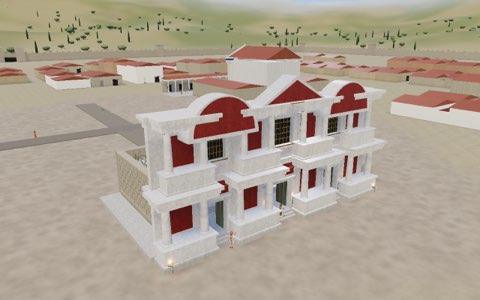
Naples
The Roman town buried by the pyroclastic surges of Vesuvius: two-storey houses, the Palaestra, the Central Baths and the seaside boat houses.
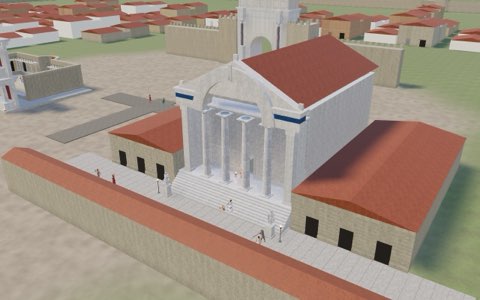
Somerset
The sacred thermal town of Roman Britain: the lead-lined Great Bath, the Temple of Sulis Minerva and the hot spring.
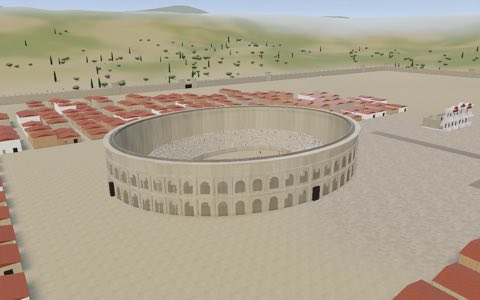
Bouches-du-Rhône
The "Little Rome of Gaul": a two-tier Roman amphitheatre with 120 arches, an Augustan-era theatre and the forum cryptoporticus.
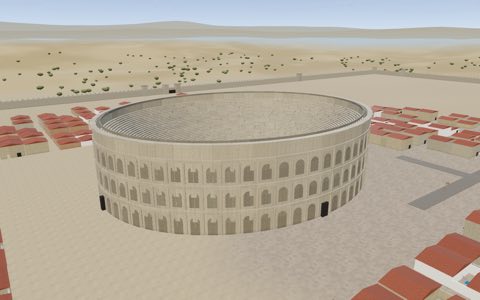
Mahdia
The three-storey Roman amphitheatre of Thysdrus in Tunisia: its main axes measure 148 and 122 metres, and its capacity is estimated at between 27,000 and 35,000 spectators.
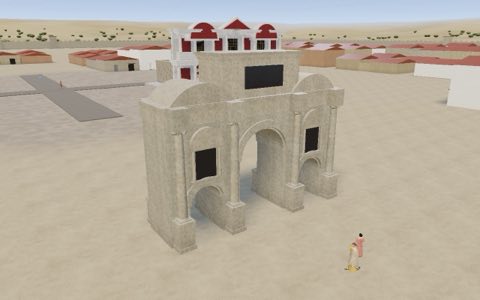
Batna
A Roman colony founded by Trajan around AD 100: a grid-planned city with Trajan's three-arched arch, a 3,500-seat theatre and a public library.
Sétif
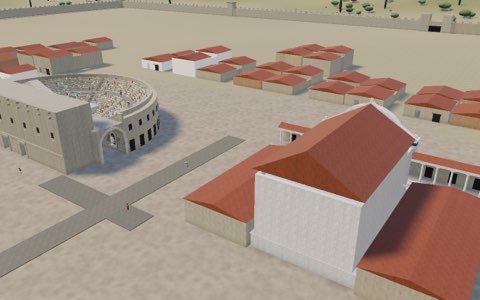
Cuicul, a Roman city adapted to mountainous terrain: the Arch of Caracalla of AD 216, a temple dedicated to the Septimian family, two forums and a theatre.
Fès-Meknès
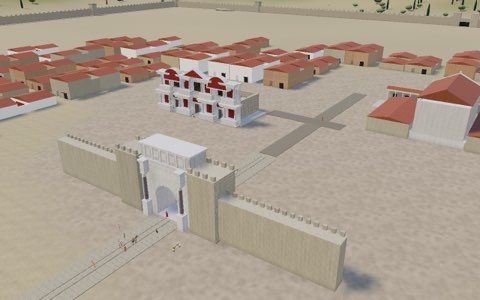
The most important city of the province of Mauretania Tingitana: the Arch of Caracalla of AD 217, the Basilica, the Capitolium and mosaic-floored houses.
Zawiya
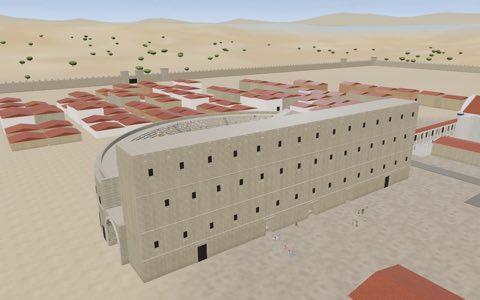
Sabratha, one of the major cities of Tripolitania: a Roman theatre close to the sea with a three-level stage wall (scaenae frons) of 96 columns, over 22 metres high.
Daraa
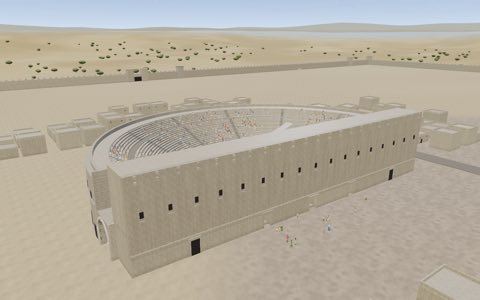
The capital of the province of Arabia Petraea: a black basalt Roman theatre enclosed by an Ayyubid fortress, a Nabataean arch, a colonnaded street and a 6th-century cathedral.
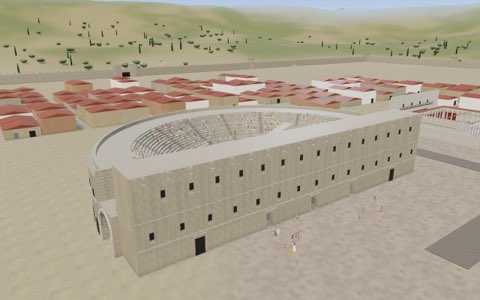
Rome
Rome's seaport at the mouth of the Tiber: Hadrian's Capitolium, the theatre, the mosaic-decorated Baths of Neptune and multi-storey apartment blocks (insulae).
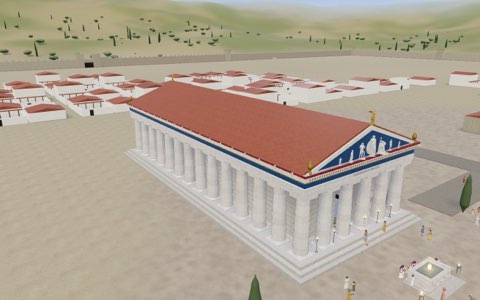
Salerno
A Magna Graecia city famed for three Doric temples: the two temples of Hera and the Temple of Athena, plus a Roman forum and amphitheatre.
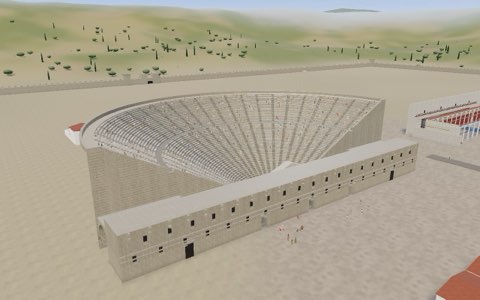
Argolis
The healing sanctuary of Asclepius: the ancient theatre of about 14,000 seats, famed for its acoustics, the circular Tholos and the stadium.
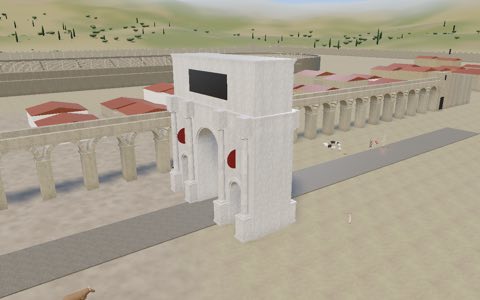
South Lebanon
The Phoenician city famed for its purple dye: a Roman hippodrome, a triple-bay triumphal arch and an aqueduct.
Tarragona
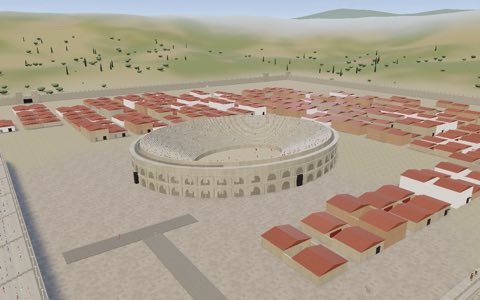
Capital of Hispania Tarraconensis: a Roman amphitheatre by the sea, a circus estimated at 30,000 seats and the provincial forum.
Coimbra
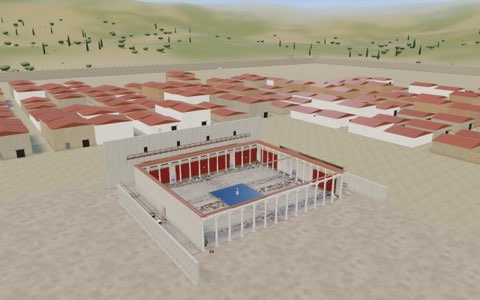
One of the largest Roman settlements excavated in Portugal: the House of Fountains with its mosaics and water-feature peristyle, the forum, baths and a defensive wall.
Évora
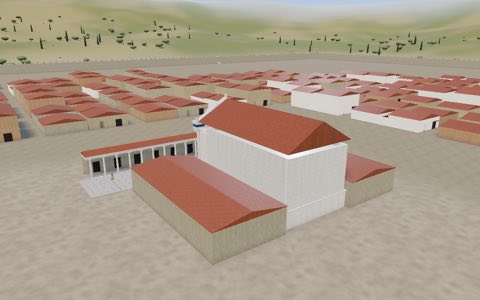
One of the best-preserved Roman temples on the Iberian Peninsula: 14 surviving Corinthian columns with granite shafts and Estremoz marble capitals, in the Roman forum.
Istria
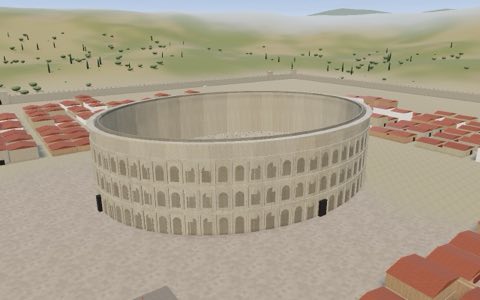
The Pula Roman Arena (about 23,000 spectators in Roman times), the Temple of Augustus and Roma, and the Arch of the Sergii.
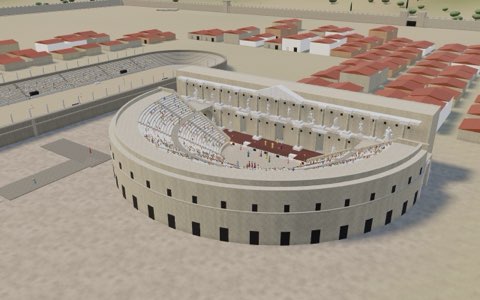
Plovdiv
The ancient Roman city in Plovdiv: the marble theatre of the Trajanic period, a Roman stadium seating about 30,000, and the Forum with its Odeon.
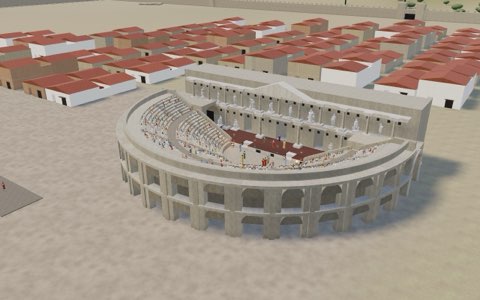
Limassol
The clifftop city-kingdom overlooking Episkopi Bay: spectacular Greco-Roman theatre, mosaic baths of Eustolios and Apollo Hylates sanctuary.
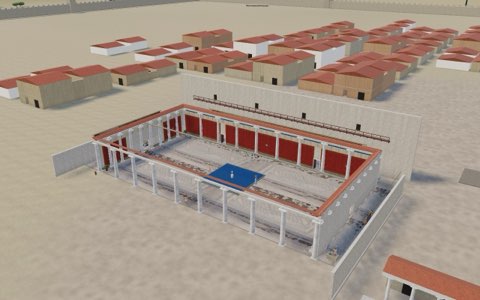
Famagusta
An ancient city-kingdom and Roman city on Cyprus's east coast: a marble-columned Gymnasium, a theatre seating up to 15,000, and Roman baths.
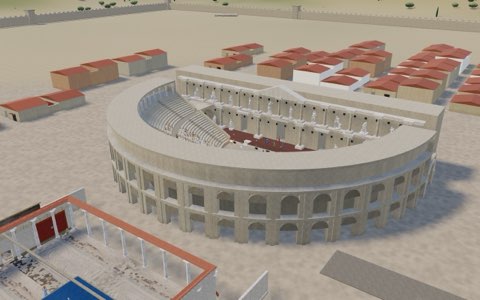
Haifa
King Herod's harbour city on Israel's Mediterranean coast: the Sebastos harbour, a seaside theatre, a hippodrome and a high-level aqueduct.

İzmir
Forerunner of İzmir, famed for the Roman agora at the foot of Kadifekale.

Antalya
Capital of the Lycian League, home to what may be the world's first parliament building.

Antalya
A Lycian city known for its cliff of rock tombs and the church of Saint Nicholas.

Antalya
Pamphylia's grandest Roman city, with a colonnaded street and central water channel.

Antalya
An ancient city woven into a modern town, famed for its Apollo temple on the point.
Ankara
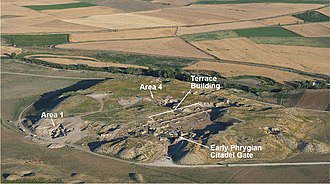
Capital of Phrygia, home of the Midas tumulus and the Gordian Knot legend.

Amasya
Capital of Pontus on the Yeşilırmak, with royal rock tombs and home of the geographer Strabo.

Gaziantep
The Euphrates city of villa mosaics, home of the 'Gypsy Girl'.

Diyarbakır
Five point eight kilometres of basalt wall, reckoned the longest unbroken defensive circuit after the Great Wall, wrapping the Hevsel Gardens on the Tigris.

Antalya
A Seljuk fortress wrapping the peninsula in 6.5 kilometres of wall, with the shipyard and the Red Tower below it surviving from the years the city was a naval base.

Şanlıurfa
The home of the Göbekli Tepe and Karahan Tepe finds, and of the Balıklıgöl statue — the oldest known life-size sculpture of a human being.

Hatay
Holds one of the richest mosaic collections in the world, lifted from the Roman villas of Antioch and Samandağ.

İzmir
The museum of the Ephesus excavations, holding the two statues of Artemis and the frescoes and sculpture from the Terrace Houses.

Antalya
One of Anatolia's largest museums, with the imperial and divine sculpture of Perge, Lycian sarcophagi and the Elmalı coin hoard.

Çanakkale
Designed as a cube half-sunk into the ground near the mound, it lays out Troy's nine layers and traces what was carried away from the city.

Antalya
The walled old town wrapped around the Roman harbour, where Hadrian's Gate, the Fluted Minaret and Ottoman mansions stand along the same narrow lanes.

İstanbul
On an islet off Üsküdar: first a customs post, later a quarantine station, lighthouse and watchtower; the building standing today dates from the eighteenth century.
Gard
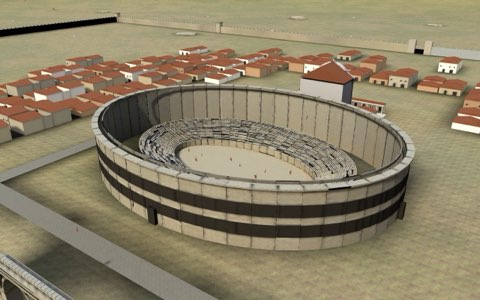
Nemausus, a Roman colony in Gaul: the Maison Carrée, an arena that held about 24,000 spectators and the Pont du Gard bridge of the aqueduct that fed the city.
Rhineland-Palatinate
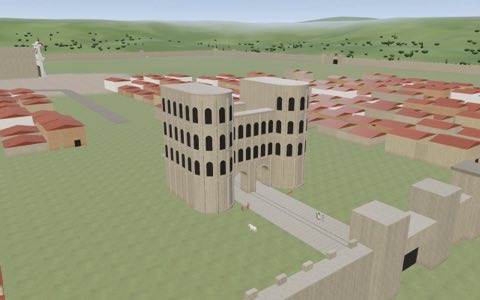
One of the four capitals of the Roman Empire during the Tetrarchy: the Porta Nigra, the amphitheatre, the Basilica of Constantine and the Imperial Baths.
Badajoz
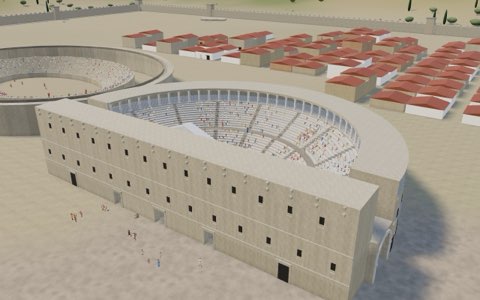
The capital of Lusitania: its Roman theatre, Temple of Diana, amphitheatre and the Roman bridge over the Guadiana.
Seville
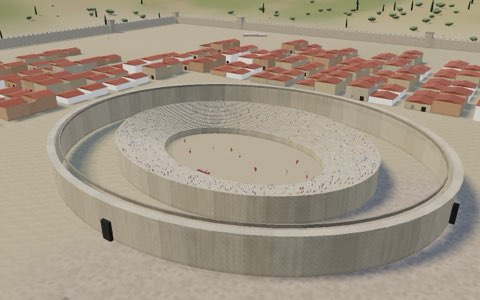
The Roman city where Trajan and Hadrian were born: a 25,000-seat amphitheatre, the Traianeum and mosaic houses.
Jerash
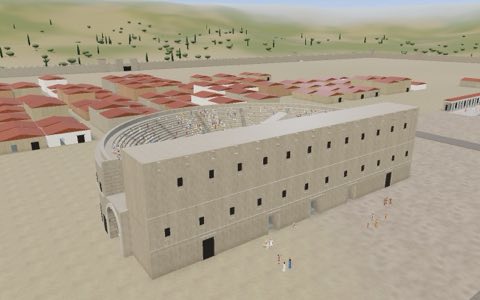
Gerasa, one of the cities of the Decapolis: the Oval Forum, the colonnaded Cardo Maximus, the Temple of Artemis and the South Theatre.
Keserwan-Jbeil
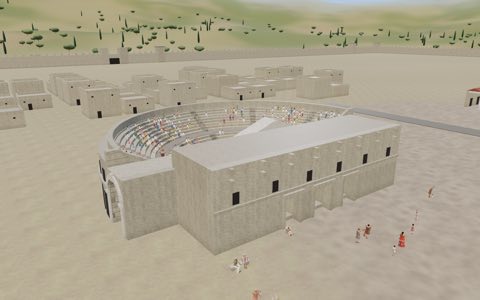
An ancient port known for its papyrus trade and early Phoenician inscriptions: the Temple of the Obelisks, a Roman theatre and a Crusader castle.
North Rhine-Westphalia
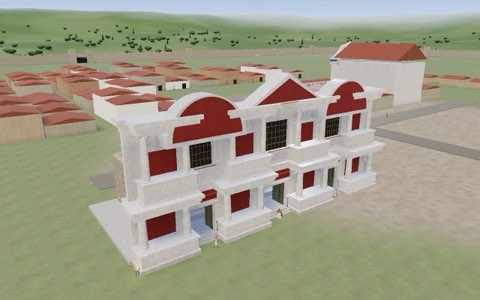
The capital of Germania Inferior: the governor's palace (Praetorium) on the Rhine, the North Gate and a Roman house with the Dionysus mosaic.
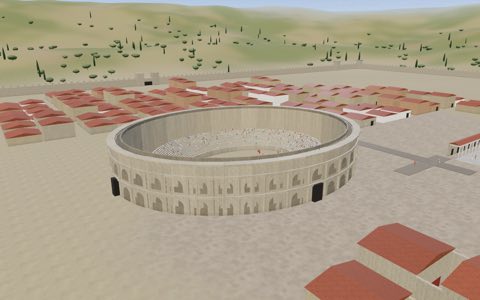
Tanger-Tétouan
A Phoenician city on the Loukkos river linked with the myth of the Garden of the Hesperides: the hilltop temple quarter, a Roman amphitheatre and fish-salting (garum) factories.
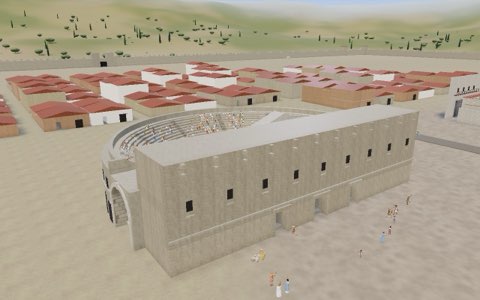
Irbid
Gadara, a Decapolis city on a ridge overlooking the Sea of Galilee (Tiberias): the basalt Western Theatre, a colonnaded decumanus and a Byzantine octagonal church.
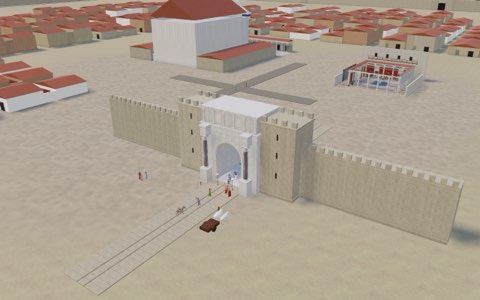
Amman
The acropolis of ancient Philadelphia: the Temple of Hercules, a Byzantine basilica and the Umayyad Palace.
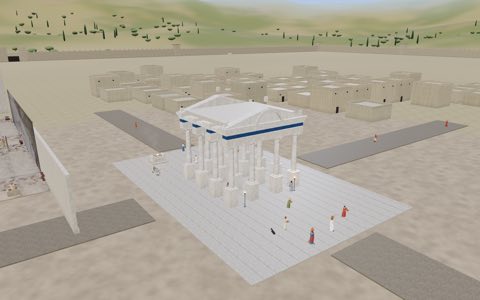
Bekaa
An Umayyad city in the Bekaa Valley based on Roman city planning: Cardo Maximus, Tetrapylon, Grand Palace, mosque and baths.
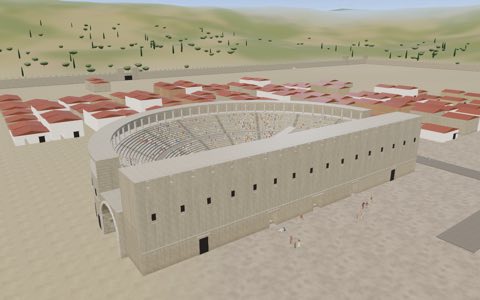
Vaucluse
Ancient Vasio in Provence: the single-arch Roman bridge over the Ouvèze, the Houses of the Dolphin and the Peacock, and the hillside Roman theatre.
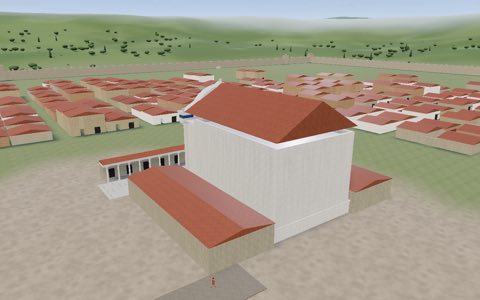
North Rhine-Westphalia
The Roman city of Colonia Ulpia Traiana on the Rhine: the Harbour Temple, the amphitheatre, the Great Baths and the northern gate (Burginatiumtor).
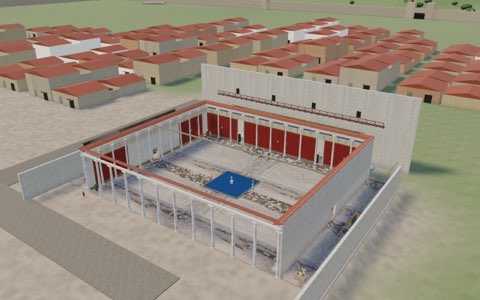
Hesse
The Roman cohort fort on the Upper Germanic Limes, largely reconstructed: the Principia headquarters, the horreum granary and a double ditch with a mortared wall.
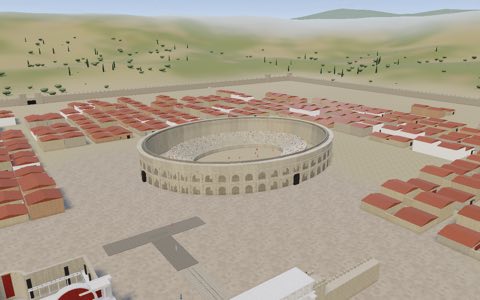
Split-Dalmatia
The roughly 60,000-strong capital of the province of Dalmatia: a Roman amphitheatre for about 15,000-18,000 spectators, the Porta Caesarea gate and early Christian basilicas.
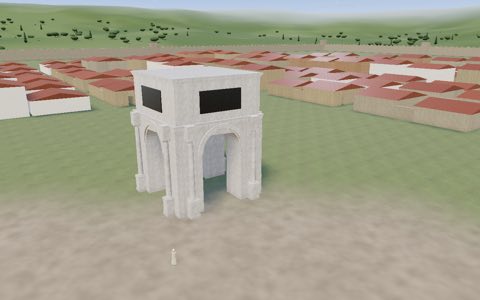
Lower Austria
The capital of Pannonia Superior on the Danube Limes: the four-arched Heidentor triumphal monument, two amphitheatres and a gladiator school.
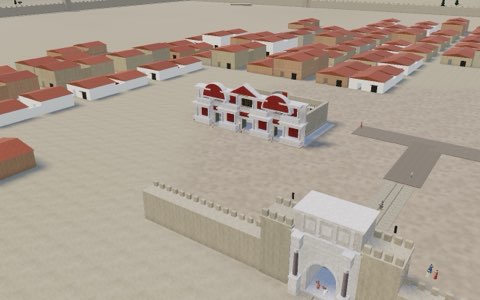
Tyrol
A Roman municipium in an Alpine valley: an atrium house, city gate and walls, a large thermal bath complex and a macellum.
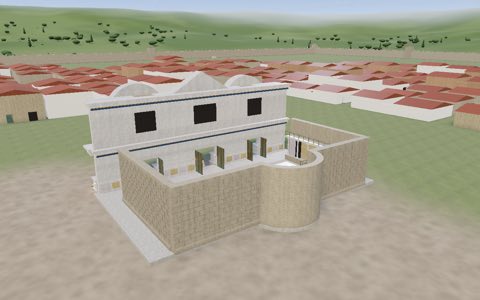
Sofia
Capital of Dacia Mediterranea: the Decumanus Maximus, the 4th-century Rotunda of St George, an amphitheatre and the eastern gate.
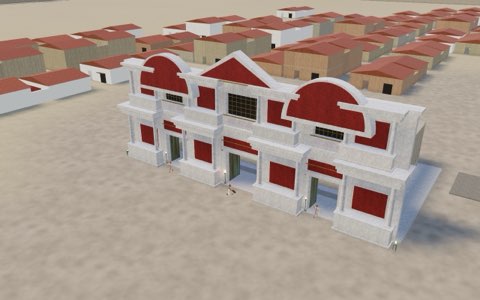
Vardar
The capital of Macedonia Salutaris at the confluence of the Erigon (Crna) and Axios (Vardar): a theatre for about 7,600 by archaeologists' calculations, the mosaic-adorned Episcopal Basilica and the Via Sacra.
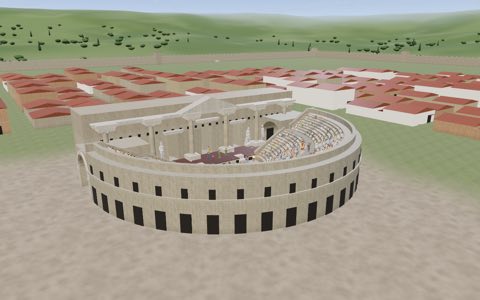
Pelagonia
A city founded by Philip II in the 4th century BC on the Via Egnatia: a Roman theatre, early Christian basilicas and their mosaics.
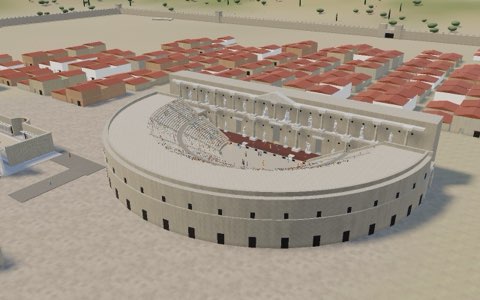
Northern District
The only Decapolis city west of the Jordan River: Palladius Street, a Roman theatre seating about 7,000, public bathhouses and the tell of the Egyptian-ruled town.

Aydın
The harbour city where grid-plan urbanism was born and philosophy took its first steps.

Aydın
The oracle sanctuary of Apollo, one of the largest temples in Anatolia.

Manisa
Capital of the Lydian kingdom, where the world's first coins were struck.

Muğla
The Carian capital where the Mausoleum, one of the Seven Wonders, once stood.

Antalya
Lycia's largest city and the capital of monumental tomb architecture.

Antalya
Ruins wrapped in laurel forest beside the never-dying flames of Chimaera.

Antalya
A seaside port city with three natural harbours ringed by pine forest.

Antalya
An eagle's nest city at 1,050 m that Alexander the Great failed to take.

Burdur
A mountain city at 1,500 m, famous for its restored and still-flowing fountain.

Çanakkale
A temple of Athena above the Aegean, and the city where Aristotle taught.

Bursa
A lakeside city with 5 km of standing walls, host of the church councils.

Van
The Urartian capital on a rock ridge overlooking Lake Van.

Elazığ
A historic mound and castle town rising above Elazığ, spanning Urartu to Ottoman times.

Kütahya
Aizanoi in Çavdarhisar, Kütahya, is a Roman city famous for the best-preserved Temple of Zeus in Anatolia.

Isparta
Antioch of Pisidia, a Roman colony city where Paul the Apostle preached, is famous for its Temple of Augustus (Augusteum).

Diyarbakır
One of Anatolia's oldest mosques, its two-storey courtyard front built from columns and capitals lifted straight out of the city's Roman buildings.

Adıyaman
A Roman bridge crossing the Cendere in a single arch, three of the four columns raised by the XVI Legion for Septimius Severus and his family still standing.

İstanbul
Two tiers of arches bridging the valley between two hills — the last link in a 250-kilometre line from the Thracian springs, kept in repair and in use through Ottoman centuries.

Mardin
Seat of the Syriac Orthodox patriarchate for centuries; the vaulted room beneath it survives from a sun temple that stood here before the monastery.

İstanbul
The mosaic floor of the Byzantine Great Palace courtyard, kept where it was found and roofed over: scenes of hunting, herding and animals rather than of court life.

İzmir
Gathering finds from the Smyrna agora and the Ionian cities around it — Klazomenai, Teos — and known for its collection of Roman portrait sculpture.

İzmir
The finds from the acropolis, the Asklepion and the Red Basilica, including the pieces of the Great Altar that never went to Berlin.

Denizli
Set inside the vaulted halls of the Roman baths of Hierapolis, showing the reliefs taken from the city's theatre and sarcophagi from Lycia and Caria.

Uşak
The museum of the Lydian Hoard from the tumuli of the region, whose winged sea-horse brooch — stolen and recovered years later — has become its emblem.

Antalya
The Roman bath of Side, repaired after excavation and turned into the museum: the sculpture from the agora and theatre now stands in the rooms where the city washed.

Adana
Moved into the halls of a textile mill founded at the start of the twentieth century — one of the largest museum buildings in Türkiye — gathering the Hittite and Roman finds of the Çukurova plain.

Mardin
In the 19th-century mansion of the Syriac patriarchate, laying out the region's layers from Assyria to the Artuqids through the finds of Girnavaz and Dara.

Van
One of the few museums anywhere with an Urartian collection of this depth: the bronze belts, helmets and cuneiform tablets from Çavuştepe, Ayanis and Toprakkale.

Aydın
Set at the edge of the excavation, it shows the output of the city's school of sculptors, with a hall of its own given to the Sebasteion reliefs.

Ankara
The citadel wrapping the hill the city grew on, its walls built course by course from column drums and inscribed blocks stripped out of Roman buildings.

İzmir
A stone house on Bülbüldağı held to be where Mary spent her last years — visited by popes, and a place of pilgrimage for Christians and Muslims alike.

İstanbul
The granite obelisk Thutmose III raised at Karnak, moved to the Hippodrome in AD 390; the reliefs on its base show step by step how it was set upright.

Antalya
At Demre, the church where Nicholas of Myra — the source of the Father Christmas story — was buried, its floor mosaics and part of its frescoes still in place.
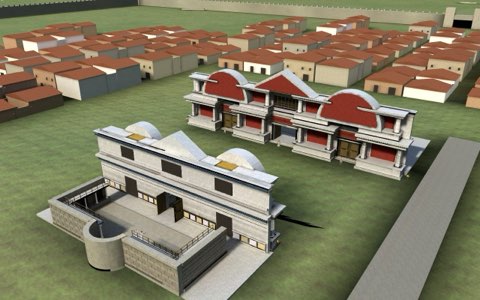
North Yorkshire
Rome's northern legionary fortress in Britain: base of the Sixth Legion Victrix, with remains of the principia beneath York Minster, and the city where Septimius Severus died.

Denizli
A wealthy trading city of the Lycus valley with two theatres and broad avenues.

Muğla
A city of science and art with two harbours at the tip of the Datça peninsula.

Muğla
A Carian city near Milas, famous for its standing Temple of Zeus.

Çanakkale
Founded by Antigonus, one of Alexander's generals, it was one of the largest ancient cities of Anatolia.

Eskişehir
Cult centre of the Mother Goddess Cybele, the holiest city of the Phrygians.

Sinop
The oldest Greek colony on the Black Sea; birthplace of Diogenes and namesake of the pigment sinopia.

Batman
A historic town split by the Tigris, with cave settlements ten thousand years old.

Muğla
Letoon, a Lycian sanctuary dedicated to Leto and her twins Apollo and Artemis, is listed together with Xanthos as a UNESCO World Heritage Site.

Antalya
Limyra in Finike, Antalya, is a Lycian city known for the tomb monument of Pericles of Limyra, a Roman theatre and the Kaineus relief.

Muğla
Tlos, with its Bellerophon rock tomb and fortress atop a cliff, is one of the oldest and largest cities of Lycia.

Burdur
Kibyra, known as the 'City of Gladiators', is famous for its world-renowned Medusa mosaic in the odeon and its gladiator school.

Hatay
A 1.4-kilometre Roman diversion tunnel, cut through solid rock by hand to keep floodwater out of the harbour of Seleucia Pieria.

Amasya
Alongside Amasya's finds from the Chalcolithic to the Ottomans, the museum displays six mummies surviving from the Ilkhanid period.

Trabzon
The Kostaki mansion, its painted ceilings and joinery left in place, turned into a museum with the region's Roman and Byzantine finds on the floor below.

Çorum
The central museum for the Hattusa, Alacahöyük and Şapinuwa excavations, holding the Hittite cuneiform tablets, seals and bull figurines they produced.

Aydın
Gathering the finds of Miletus, Didyma and Priene, it lays out in one hall what a city whose four harbours silted up managed to leave behind.

Antalya
Showing the town's Roman and Seljuk layers together, with the sarcophagi in its garden and a bronze Herakles statuette as its best known pieces.

Kayseri
Holding the finds of the Kültepe-Kanesh excavation, including the cuneiform tablets and clay envelopes of the Assyrian merchants.

İstanbul
The city's second largest covered cistern: each of its 224 columns is two shafts set one on the other, the stone collars at the joins still visible.

İstanbul
Built under Theodosius II to store the water the Valens aqueduct brought in; its hall of thirty-two marble columns was repaired and opened to visitors in 2018.

Sakarya
The 430-metre bridge Justinian threw over the Sakarya. The river later shifted its bed, so the bridge now stands largely on dry ground.

Mersin
Set right on the shore at Anamur, its thirty-nine towers and moat make it the largest and best preserved castle on the Mediterranean coast.

İstanbul
The seven-towered fortress Mehmed II grafted onto the Golden Gate of the Theodosian walls, used as treasury, arsenal and the state prison where envoys were held.

Burdur
Holding the finds of the Sagalassos excavation, and with them the Neolithic painted pottery of the Hacılar mound.

Malatya
The central museum for the Arslantepe excavation, holding the oldest known swords in the world and the palace finds of the fourth millennium BC.

İstanbul
Türkiye's first private museum: of its two waterfront houses at Büyükdere, one is given to Anatolian archaeology and one to Ottoman craft.

İstanbul
The bronze column the thirty-one Greek cities that beat Persia at Plataea cast from captured weapons and dedicated at Delphi, brought to the Hippodrome in the fourth century AD.

İstanbul
The porphyry column Constantine set at the centre of his forum when he founded the new capital: the city's oldest standing monument, in the same place for seventeen centuries.

İstanbul
The city's first church, where the Second Ecumenical Council met in 381. It was never converted into a mosque, so the interior survives as it was.

Hatay
A cave church cut into the mountainside, held to be where the community of Antioch met — the first people anywhere to be called Christians.

İzmir
The six-domed basilica Justinian raised over the tomb of John; when it was finished it was the largest church after Hagia Sophia.

Bartın
Walls wrapping the headland between two bays and the island opposite; Genoese coats of arms still sit above its gates, and a neighbourhood lives inside it.

Şanlıurfa
The citadel looking down on the pool of Balıklıgöl, its two Corinthian columns and the Syriac inscription between them left from a monument raised by the kings of Edessa.

Diyarbakır
A Roman garrison town on the Persian frontier, whose rock-cut Mithraeum is the best preserved temple of that cult known in Anatolia.

Adana
The Roman bridge over the Seyhan has been in continuous use for seventeen centuries and carried motor traffic until 2007.

Aydın
A city near Sultanhisar, known for its tunnel-lined street and grand library.

Manisa
The ancient city at Akhisar, home to one of the Seven Churches of Revelation.

Muğla
A Lycian city at the foot of Mount Cragus, famous for its round royal tomb.

Balıkesir
A great Marmara city on the Kapıdağ peninsula, remembered for its Hadrian temple.

Çanakkale
A Greek harbour city on the Troad coast of the Sea of Marmara, famed for its odeon and its coinage.

Niğde
A Roman city at the gate of Cappadocia, with aqueducts and a sacred pool.

Bartın
A harbour city on a peninsula between two bays, its walls still in daily use.

Samsun
Forerunner of Samsun, a Black Sea port city with tumuli and underground tombs.

Muğla
The 'City of Gladiators' at Eskihisar near Yatağan, a vast ancient city built of marble.

Antalya
Arykanda, a spectacular Lycian city built on terraces facing the mountains, offers a unique panorama over the Finike plain.

Mersin
This well-preserved Roman–Late Roman coastal city on the Mediterranean stands out with its baths, aqueduct and vast necropolis.

Aksaray
A collection running from the Neolithic levels of Aşıklı Höyük to the Byzantine burials of the Ihlara valley, and one of Anatolia's lesser known sets of mummies.

Erzurum
Gathering the Early Bronze Age and Urartian finds of eastern Anatolia, with the black burnished pottery of the Karaz culture at its core.

Kars
Holding the finds from the Ani excavations, its garden of Russian-era steam engines and church bells telling the city's last two centuries.

Sinop
The remains of the Serapis temple are kept in place in its garden, and the collection tells the trade of Sinope, the Black Sea's port city.

Samsun
Known for the Hellenistic gold hoard lifted from the Amisos tumulus, and holding the Early Bronze Age finds of the İkiztepe excavation.

Diyarbakır
Gathering the excavations of the upper Tigris basin, weighted towards the Neolithic finds of Çayönü and Artuqid metalwork.

Adıyaman
Shows the finds of Mount Nemrut and Arsameia alongside the mosaics rescued from the towns that went under the waters of the Atatürk dam.

Edirne
Brings the finds of the Thracian dolmens and tumuli together under one roof with the ethnography of Edirne, the Ottoman capital.

Muğla
A Roman tomb at Milas taken to be a scaled-down copy of the Mausoleum at Halicarnassus, its pyramid roof and colonnaded upper storey still standing.

Nevşehir
The underground city north of Avanos, with a defensive arrangement unique in Cappadocia: pipes cut between the storeys so that hot oil could be poured on attackers.

Çanakkale
The temple of Apollo Smintheus, centre of the cult named in the opening pages of the Iliad, its frieze carved with scenes from the epic itself.

Mersin
With thirty-three settlement layers, one of the longest continuously inhabited mounds in the world; its Chalcolithic walls are among the earliest fortifications known.

Antalya
On a flat-topped hill over the plain, one of the few Anatolian cities Alexander failed to take; the only substantial inscription in the Pamphylian dialect was found here.

Kahramanmaraş
Gathering the Halaf-period finds of Domuztepe and Neo-Hittite reliefs, and displaying the fossil elephants of the region alongside them.

Afyonkarahisar
The central museum for Phrygia, weighted towards the Roman sarcophagi and sculpture cut at the marble quarries of Docimium.

Tokat
Housed for years in the Seljuk Gök Medrese before moving to a new building, it gathers the finds of the Komana Pontica excavation.

Kastamonu
Gathering finds from the rock tombs of Paphlagonia and the Pompeiopolis excavation, in the very hall where Atatürk announced the hat reform.

İzmir
On a slope above the Torbalı plain, known for its council house, its theatre and a bath-gymnasium built to serve two thousand people.

Muğla
On the shore of Lake Bafa among the boulders of the Beşparmak range, its Hellenistic walls running six kilometres around the slope.

Aydın
The city where the Carian queen Ada adopted Alexander; its three-storey market building is among the best preserved commercial structures of antiquity.

Antalya
The harbour of Myra, where the vast granary built by Hadrian records the stop this coast made for the grain fleet running from Egypt to Rome.

Antalya
A Pisidian city eleven hundred metres up above the Köprülü canyon, its theatre for ten thousand still standing in the middle of a village.

Muğla
The only major temple to Hecate known in the ancient world, reached by a sacred way from Stratonikeia along which the yearly procession of the key was carried.

Antalya
The aqueduct feeding the city crosses its valley on an inverted siphon worked by pressure towers — among the most ambitious pieces of Roman hydraulic engineering.

Muğla
Above the Xanthus valley, famous for the colossal inscription of the Epicurean Diogenes.

Mersin
A Roman island city on the Mersin coast, with a theatre and cisterns.

Mersin
The ancient city at Silifke, with a Temple of Zeus, a theatre and a medieval castle.

Çanakkale
An ancient city on the eastern shore of the Dardanelles, famous for its mint and the cult of Priapus.

Balıkesir
A Troad city on Kaletaşı hill above Altınoluk, known for its mosaic villas and tomb necropolis.

Afyonkarahisar
A major Byzantine military city, remembered for its Arab sack of 838.

Kastamonu
Roman capital of Paphlagonia, called the 'Zeugma of the Black Sea' for its mosaics.

Zonguldak
A Bithynian coastal city founded by Megarians, where the legend of Heracles is set.

Şanlıurfa
A sacred hill and rock tombs in the Tektek Mountains, dedicated to the moon god Sin.

Aydın
An Ionian city famed for the Temple of Artemis Leukophryene, a landmark of ancient architectural design.

İzmir
An Ionian city at Seferihisar, home to the largest Temple of Dionysos in the ancient world.

Mersin
The sacred centre of the priest-kings of Olba, the city is famous for the standing columns of the Temple of Zeus Olbios.

Burdur
A Roman colony in Pisidia ringed by cliffs, where the siege ramp and camp the Romans built to put down the revolt of AD 278 can still be traced.

Uşak
Built on a promontory ringed on three sides by deep gorges, its walls, temple and rock tombs still largely standing.

Denizli
Founded where Lydia, Caria and Phrygia meet; its colonnaded street and great church have been brought out by recent excavation.

Aydın
A Carian city enriched by its marble quarries, with its temple of Apollo, bouleuterion and a two-hundred-metre agora building still standing.

Muğla
A harbour town on a peninsula, famed for its fishing and for the blue-and-white veined marble that Rome sold as cipollino.

Antalya
The city of Opramoas, Lycia's greatest benefactor, whose tomb carries one of the longest records of public giving to survive from antiquity.

Denizli
A temple on the slope above the Meander gorge, whose hundreds of confession inscriptions are the frankest record of popular religion in the Roman countryside.
Karaman
A settlement cut five storeys into a valley wall, its stairs running inside the rock and its top floor reachable only from within.
Nevşehir
An underground city with four separate entrances — stables, ovens and church spaces — and one of the uncrowded ones in Cappadocia.
Kırklareli
In the Istranca forest, the longest surviving stretch of the line that carried water to Constantinople, and a rare design carrying two separate channels one above the other.

İstanbul
The open cistern at Bakırköy held the water of the imperial palace at Hebdomon, and its walls — 127 metres by 76 — still stand to full height.

Adana
A temple city of the Mother Goddess Ma, linked to the Hittite city of Kummanni.

Zonguldak
A port city at Filyos whose name has survived unchanged since antiquity.

Elazığ
A historic town east of the Euphrates with a castle bearing Urartian inscriptions.

İzmir
The renowned oracular sanctuary of Apollo, belonging to Kolophon and rivalling Delphi and Didyma.

Adana
A Roman city on a limestone outcrop rising from the middle of the Cilician plain, famous for its monumental triumphal arch and fortress.